Urban living in India is rapidly evolving and with it, the need for more sustainable interiors. A thoughtful approach to design that embraces eco-conscious choices can reduce your environmental footprint while creating healthy, long-lasting spaces.
Why Sustainable Interior Design Is More Than a Trend
In today’s climate-aware world, eco-conscious choices are no longer a luxury, they’re a necessity. As urban populations grow and environmental concerns rise, many homeowners and businesses are turning to sustainable interiors. Whether you’re hiring an Interior Designer in Lucknow or managing a DIY makeover, embracing green practices in interior design offers lasting value, both for the planet and your pocket. The goal isn’t just aesthetic appeal; it’s to create functional, beautiful spaces that promote wellbeing and reduce ecological damage.
Green Materials: Making Smarter, Cleaner Choices
The foundation of sustainable interior design lies in the materials used. Conventional interior projects often rely on synthetic, chemically treated, or non-renewable materials. But an increasing number of designers now recommend eco-friendly alternatives that not only reduce harm but also enhance indoor air quality and comfort.
One of the most popular choices is recycled or reclaimed wood. Unlike freshly cut timber, reclaimed wood is sourced from old buildings, ships, or furniture, reducing deforestation. Its weathered texture adds character to furniture, flooring, and wall panels while being environmentally responsible.
Similarly, bamboo has emerged as a favorite among professionals in Interior Designing. It grows rapidly, requires minimal pesticides, and can be used in flooring, furniture, and even light fixtures. Designers prefer it not just for sustainability but also for its strength and aesthetic flexibility.
Paints and finishes are another critical aspect. Many commercial paints release volatile organic compounds (VOCs) that cause headaches, respiratory problems, and long-term health risks. Low-VOC or zero-VOC paints, available from brands like Asian Paints and Nerolac, provide a safer alternative. These are especially ideal for bedrooms, nurseries, and enclosed spaces where air circulation is limited.
Eco-friendly laminates and natural fiber furnishings — such as jute, hemp, linen, and organic cotton — are also increasingly used to replace plastic-based decor and synthetic upholstery. These materials are biodegradable and require less processing, further lowering their carbon footprint.
Cost vs. Long-Term Benefits: Debunking the Myth of “Too Expensive”
One of the most common misconceptions about eco-friendly interiors is that they’re prohibitively expensive. While some green products do carry a slightly higher initial cost, they often deliver far more value over time.
For instance, energy-efficient LED lighting may cost more upfront compared to traditional bulbs but reduces electricity consumption by up to 80%, paying for itself in a matter of months. Similarly, thermally insulated windows and window films help maintain indoor temperatures, significantly cutting cooling and heating costs in Indian summers and winters.
A case in point is the use of fly ash bricks or autoclaved aerated concrete (AAC) blocks for structural partitions. While slightly pricier, they offer better thermal insulation and soundproofing, leading to long-term comfort and energy savings.
In furniture, reclaimed wood items or modular systems designed for longevity eliminate the need for replacements every few years. A skilled Interior Designer in Lucknow will often recommend modular wardrobes or kitchen setups built with waterproof and termite-resistant plywood, these might cost 10–15% more initially but require far less maintenance and last significantly longer than particle board alternatives.
Another overlooked factor is health savings. A home designed with good ventilation, natural light access, and non-toxic materials reduces the risk of asthma, allergies, and poor sleep cutting down on medical costs and improving quality of life.
How Top Designers Are Integrating Sustainability
Urban Indian cities like Lucknow are home to several forward-thinking design studios embracing eco-interior philosophies. These professionals combine global sustainability standards with local sensibilities to offer solutions that are practical, aesthetic, and contextually relevant.
For example, Studio Archohm integrates recycled brickwork and lime plasters into their designs, creating naturally cool interiors that reduce air conditioner use. Design Consilio, another leading firm specializing in Interior Design has adopted a practice of sourcing materials from within 100 kilometers of the project site to cut transport emissions and support the local economy.
These designers also use solar tube lighting in corridors or bathrooms to bring daylight into interior spaces without using electricity. Rainwater harvesting-linked garden features and composting zones in balconies are becoming standard in green home designs.
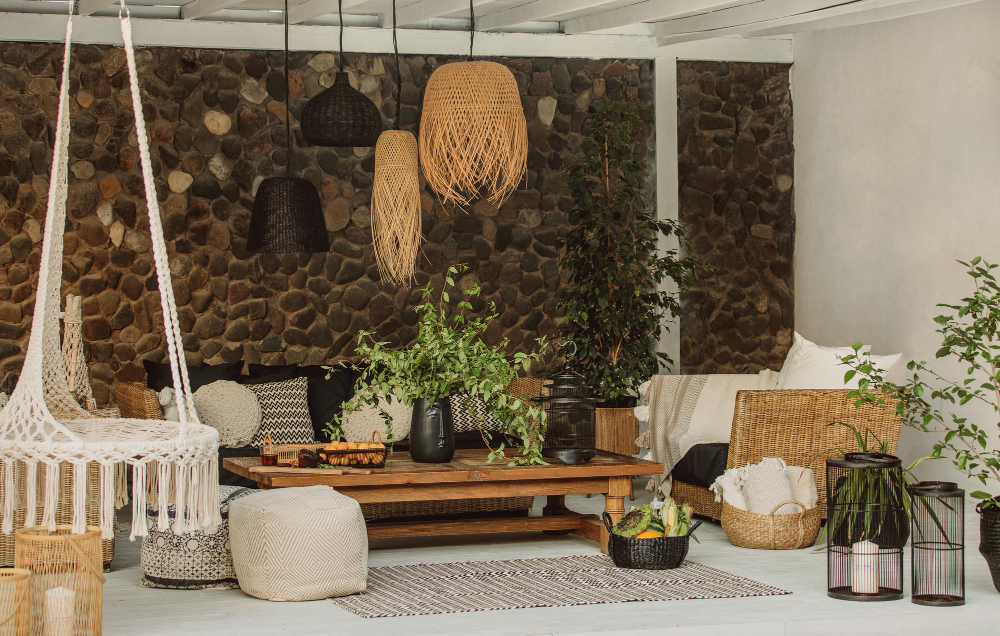
A newer concept gaining ground is biophilic design — the integration of natural elements like indoor plants, natural textures, and open air spaces into interior layouts. It’s proven to reduce stress and improve mental well-being. Incorporating vertical gardens, indoor planters, or green balconies not only beautifies a space but also improves indoor air quality naturally.
Read also: Small Home Interior Design Ideas for 1BHK & 2BHK Flats
Real-World Case Studies: Sustainability in Action
A recent office interior project for a Lucknow-based NGO focused entirely on upcycled materials and local labor. Instead of building new furniture, the design team reused old wooden frames and shelving from their previous workspace, treated with non-toxic finishes and modernized with smart design. They also sourced planters from terracotta artisans in Gorakhpur and used natural lime paint on walls, giving the space an earthy, calming vibe.
In a residential example, a 3BHK flat in Gomti Nagar was designed by an eco-conscious couple working with a certified Interior Designer. Their modular kitchen was built from FSC-certified plywood with water-based laminates. The dining table was sourced second-hand and refurbished with recycled metal frames and stone tops. To control humidity and improve insulation, they installed clay tiles on their balcony — a traditional material that keeps spaces cool without mechanical ventilation.
Another case involved a new café in Hazratganj that wanted to market itself as “zero waste.” The interior team used reclaimed wood for all seating and counters, installed low-flow water fixtures, and included clear waste sorting stations throughout the premises. Their lighting system used daylight sensors to optimize energy use, reducing power bills by 35% within six months of operation.
How to Start Your Sustainable Interior Journey
If you’re looking to make your home or workspace more eco-friendly, the first step is finding a designer who understands and values sustainable practices. An experienced Interior Designer will begin with a site analysis to identify areas where green upgrades can make the most impact from material selection and orientation to natural ventilation and solar access.
Request a green audit during the planning phase. This includes checking the building’s insulation, sunlight paths, ventilation systems, and energy usage. You can then make informed decisions about what changes to implement for maximum benefit.
Next, prioritize local sourcing. Using locally made tiles, wood, and crafts not only supports artisans but reduces transportation emissions. Ask your designer for vendor lists that include eco-certified brands or zero-waste material suppliers.
If you’re working on a tight budget, start with the easiest upgrades:
- Replace CFLs with LEDs.
- Opt for furniture made from natural or recycled materials.
- Choose no-VOC paint for bedrooms and living areas.
- Introduce houseplants and natural fiber rugs.
The key is to think long-term sustainability is not just about trendy products but about creating interiors that last, perform, and contribute to better living.
Read also: 2BHK Home Interior Design Project in Gomti Nagar
Conclusion: Design with a Conscience
Eco-friendly interior design is no longer a niche concept, it’s a responsible and rewarding way to shape the spaces we inhabit. Whether it’s through renewable materials, energy-saving systems, or conscious consumption, green interiors contribute to a healthier home, a stronger community, and a more resilient planet.
With the right guidance from a skilled Interior Designer, anyone can begin the journey towards sustainable living. From smart material choices to energy efficiency, sustainability is within reach and now more necessary than ever in India’s urban future.