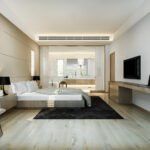
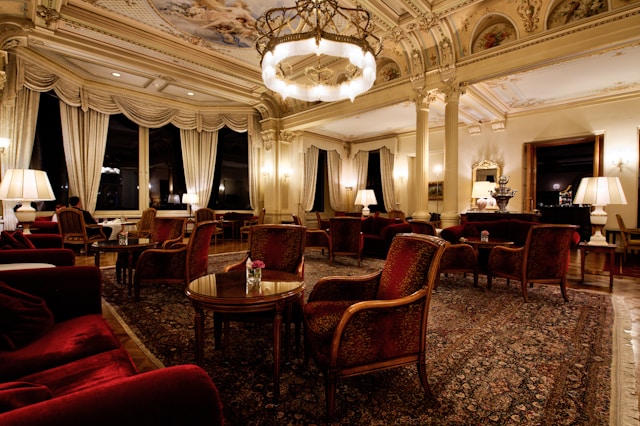
In today’s hospitality landscape, hotel interior designing is no longer just about visual appeal—it’s about crafting immersive experiences that linger long after checkout. From the moment a guest steps into the lobby to the quiet comfort of their room, every design choice shapes perception, emotion, and loyalty.
With increasing competition and rising guest expectations, Hotel Interior Designing in Lucknow is undergoing a refined transformation. Luxury hotels, boutique stays, business hotels, and heritage properties are embracing thoughtful hospitality design that blends aesthetics, functionality, culture, and well-being.
This guide explores the latest trends in hotel interior designing and hospitality design, inspired by global best practices and tailored for premium hotels seeking distinction, elegance, and timeless appeal.
Why Hotel Interior Designing Matters More Than Ever
Luxury travelers today are experience-driven. They choose hotels that align with their lifestyle, values, and aspirations. A well-designed hotel interior:
- Creates a strong first impression
- Communicates brand identity and positioning
- Enhances guest comfort and satisfaction
- Encourages repeat stays and positive reviews
- Adds measurable value to the property
For hotels in culturally rich cities like Lucknow, interior design also becomes a powerful medium to tell stories—of heritage, craftsmanship, and modern sophistication.
Key Trends in Hotel Interior Designing & Hospitality Design
1. Flexible, Multi-Use Lobbies as Social Destinations
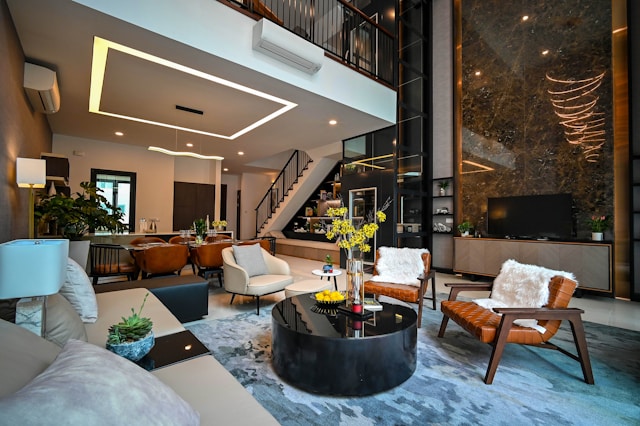
Gone are the days when hotel lobbies were merely waiting areas. Today’s luxury hospitality design treats the lobby as a dynamic, multi-functional social space.
Modern lobbies now seamlessly integrate:
- Reception and concierge desks
- Informal lounges and co-working zones
- Café-style seating and reading corners
- Art installations and statement lighting
In premium Hotel Interior Design Lucknow projects, designers are creating lobbies that feel like upscale living rooms inviting guests to linger, work, socialize, or simply unwind.
Luxury Example:
A boutique hotel lobby with plush seating, marble flooring, soft ambient lighting, and curated local art becomes a destination in itself, not just a passageway.
2. Rethinking How Guest Rooms Are Designed
Luxury hotel rooms today prioritize comfort, privacy, and personalization. The trend is moving away from cluttered layouts toward thoughtfully zoned spaces.
Modern guest room design focuses on:
- Open yet well-defined zones for sleeping, lounging, and working
- Neutral palettes with warm textures
- Minimal but high-quality furniture
- Intelligent storage solutions
- Soundproofing and privacy
A Hotel Interior Designer in Lucknow, premium properties are adopting layouts that feel residential yet refined allowing guests to feel at home while enjoying elevated luxury.
3. Spa-Like Bathrooms That Feel Indulgent
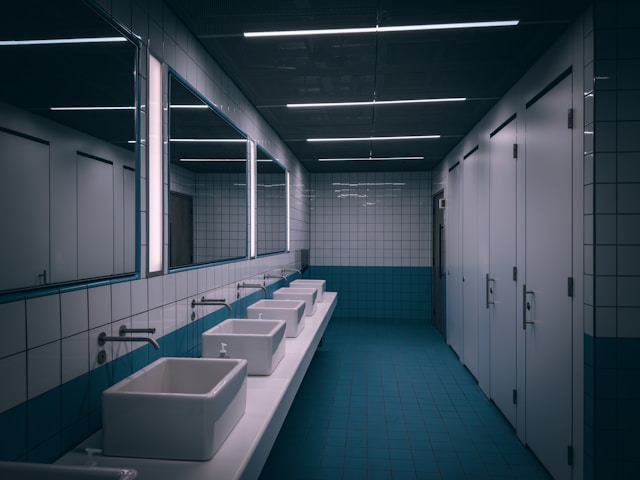
Bathrooms are no longer secondary spaces, they are a key element of luxury hospitality design. Guests increasingly associate a premium stay with spa-inspired bathrooms.
Key bathroom design trends include:
- Walk-in rain showers and soaking tubs
- Natural stone, marble, and textured tiles
- Soft, layered lighting
- Floating vanities and large mirrors
- Organic color palettes
A thoughtfully designed bathroom transforms everyday routines into moments of indulgence, reinforcing the hotel’s luxury positioning.
Read Also: Top Office Interior Design Trends for Modern Workplaces in 2026
4. Restaurants as Signature Experiences, Not Just Amenities
In modern hospitality design, hotel restaurants are becoming standalone destinations spaces that attract not only guests but also locals.
Luxury hotel interior designing now treats dining spaces as:
- Brand statements
- Social hubs
- Cultural showcases
Designers are focusing on:
- Distinct themes and storytelling
- Dramatic lighting and ceiling designs
- Elegant table layouts with privacy
- Visual connections to outdoor spaces
In Lucknow, where food culture is deeply rooted, restaurants designed with heritage elements and contemporary luxury create unforgettable dining experiences.
5. Blurring the Boundaries Between Indoor and Outdoor Spaces
One of the most elegant trends in hotel interior designing is the seamless integration of indoor and outdoor environments.
This is achieved through:
- Floor-to-ceiling glass windows
- Courtyards and open terraces
- Indoor plants and water features
- Natural ventilation and daylight
Luxury hotels are using these design strategies to create a sense of openness, calm, and connection with nature—especially valuable in urban settings.
6. Green Elements and Sustainable Design Choices
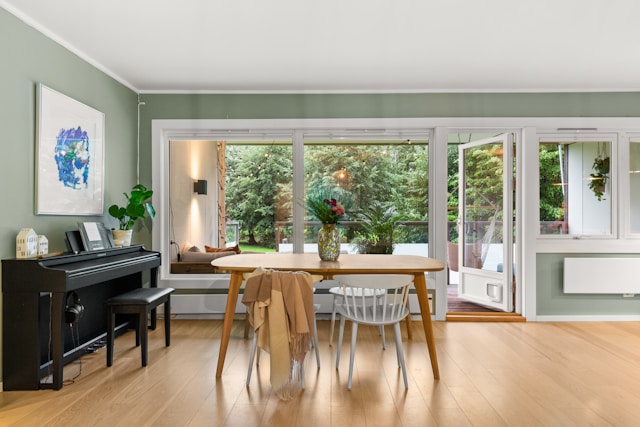
Sustainability is no longer optional in hospitality design, it’s an expectation. Modern luxury hotels are embracing eco-conscious interior designing without compromising elegance.
Key sustainable trends include:
- Energy-efficient lighting systems
- Locally sourced materials
- Indoor greenery and vertical gardens
- Low-VOC paints and finishes
- Smart climate control systems
In Hotel Interior Designing Lucknow, incorporating sustainable materials also helps reflect regional authenticity while reducing environmental impact.
7. Celebrating Local Art and Cultural Identity
Luxury hospitality design thrives when it tells a story and nothing does that better than local art and craftsmanship.
Hotels are increasingly:
- Displaying artwork by local artists
- Using traditional patterns in modern formats
- Incorporating regional materials and textures
- Highlighting cultural narratives through décor
For Lucknow-based hotels, this could mean subtle Awadhi influences intricate patterns, handcrafted details, or heritage-inspired color palettes blended seamlessly into contemporary interiors.
8. Technology with Restraint: Avoiding Digital Overload
While technology enhances convenience, luxury hotel interior designing now follows a “less is more” approach to tech integration.
Guests prefer:
- Smart controls that are intuitive, not complicated
- Seamless Wi-Fi and charging solutions
- Hidden technology that doesn’t disrupt aesthetics
Overuse of screens, gadgets, and digital interfaces can detract from the calm and sophistication luxury travelers seek. The goal is invisible technology that supports comfort without demanding attention.
Focus Points Before Starting Hotel Interior Designing
Before embarking on a hospitality design project, hotel owners should consider:
Brand Positioning: Is the hotel luxury, boutique, business, or heritage-driven?
Target Audience: Corporate travelers, leisure guests, destination weddings, or long-stay visitors?
Operational Efficiency: Design must support staff workflows, maintenance, and scalability.
Long-Term Relevance: Timeless materials and layouts age better than trend-heavy designs.
Partnering with an experienced Hotel Interior Designer Lucknow ensures these considerations translate into a cohesive, high-performing space.
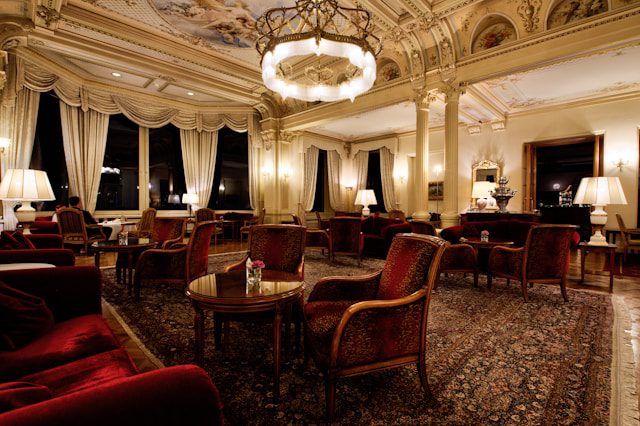
Why Luxury Hotels in Lucknow Need Thoughtful Interior Designing
Lucknow is a city of elegance, history, and refinement. Hotels operating here must balance cultural sensitivity with global luxury standards.
Professional Hotel Interior Designing in Lucknow helps properties:
- Stand out in a competitive hospitality market
- Attract premium guests and international travelers
- Command higher room tariffs
- Build a strong brand identity
When executed well, interior design becomes a strategic investment not an expense.
Read also: How to Choose the Best Office Interior Designer in Lucknow
Conclusion: Designing Experiences, Not Just Spaces
Luxury hospitality design is about emotion, comfort, and storytelling. From flexible lobbies and serene guest rooms to spa-like bathrooms and immersive dining spaces, every design element should work in harmony to elevate the guest journey.
As trends evolve, the most successful hotels will be those that stay true to their brand, respect their location, and design with intention.
If you’re planning a new hotel or renovating an existing property, investing in professional Hotel Interior Designing is the key to creating spaces that don’t just look luxurious but feel unforgettable.