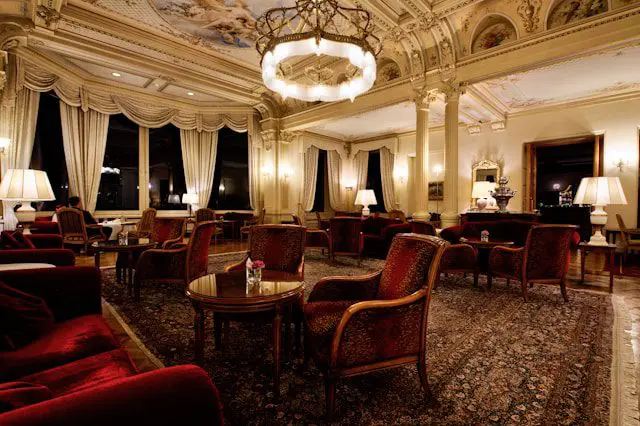
In today’s hospitality landscape, hotel interior designing is no longer just about visual appeal, it’s about crafting immersive experiences that linger long after checkout. From the moment a guest steps into the lobby to the quiet comfort of their room, every design choice shapes perception, emotion, and loyalty.
With increasing competition and rising guest expectations, Hotel Interior Designing in Lucknow is undergoing a refined transformation. Luxury hotels, boutique stays, business hotels, and heritage properties are embracing thoughtful hospitality design that blends aesthetics, functionality, culture, and well-being.
This guide explores the latest trends in hotel interior designing and hospitality design, inspired by global best practices and tailored for premium hotels seeking distinction, elegance, and timeless appeal.
Why Hotel Interior Designing Matters More Than Ever
Luxury travelers today are experience-driven. They choose hotels that align with their lifestyle, values, and aspirations. A well-designed hotel interior:
- Creates a strong first impression
- Communicates brand identity and positioning
- Enhances guest comfort and satisfaction
- Encourages repeat stays and positive reviews
- Adds measurable value to the property
For hotels in culturally rich cities like Lucknow, interior design also becomes a powerful medium to tell stories—of heritage, craftsmanship, and modern sophistication.
Key Trends in Hotel Interior Designing & Hospitality Design
1. Flexible, Multi-Use Lobbies as Social Destinations
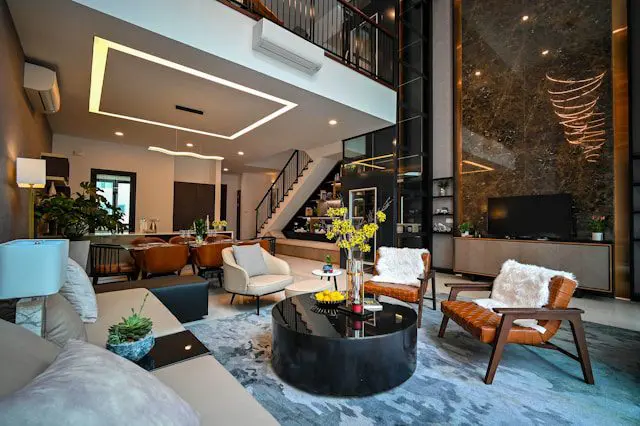
Gone are the days when hotel lobbies were merely waiting areas. Today’s luxury hospitality design treats the lobby as a dynamic, multi-functional social space.
Modern lobbies now seamlessly integrate:
- Reception and concierge desks
- Informal lounges and co-working zones
- Café-style seating and reading corners
- Art installations and statement lighting
In premium Hotel Interior Design Lucknow projects, designers are creating lobbies that feel like upscale living rooms inviting guests to linger, work, socialize, or simply unwind.
Luxury Example:
A boutique hotel lobby with plush seating, marble flooring, soft ambient lighting, and curated local art becomes a destination in itself, not just a passageway.
2. Rethinking How Guest Rooms Are Designed
Guest rooms are increasingly planned in zones for sleeping, relaxing, and working, without making the room feel divided into separate boxes. A desk placed near good daylight, a seating area with a comfortable chair, and a bed positioned away from the entrance noise all help guests feel settled.
Storage matters more than many owners expect. Guests unpack, use the room for several days, and need somewhere to keep bags, clothes, and devices. Built-in wardrobes, luggage racks, and well-placed plug points reduce clutter. Acoustic planning is equally important. Sound insulation between rooms, quiet mechanical equipment, and soft finishes in corridors all affect how restful a room feels.
Lighting should be layered. Ceiling light for general use, bedside light for reading, and warm task light at the desk let guests adjust the room to suit the time of day.
Modern guest room design focuses on:
- Open yet well-defined zones for sleeping, lounging, and working
- Neutral palettes with warm textures
- Minimal but high-quality furniture
- Intelligent storage solutions
- Soundproofing and privacy
A Hotel Interior Designer in Lucknow, premium properties are adopting layouts that feel residential yet refined allowing guests to feel at home while enjoying elevated luxury.
3. Spa-Like Bathrooms That Feel Indulgent
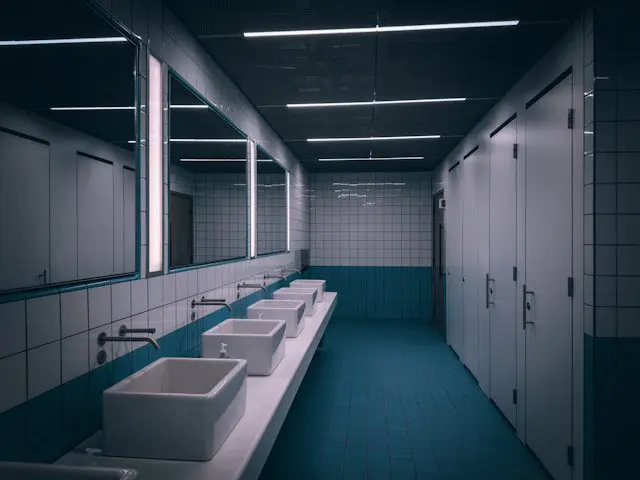
Guests often judge a hotel by its bathroom. Walk-in showers, larger mirrors, floating vanities, and natural stone or textured tiles can make the room feel generous and calm. Soft, layered lighting around the mirror helps guests see clearly while keeping the mood relaxed.
Luxury finishes also need to be safe. Floor tiles should have a suitable slip resistance, especially near showers and baths. Surfaces should be water-resistant and easy to clean, and ventilation should be planned so that moisture does not damage finishes or lead to mould. These points are easy to overlook, but they matter for guests and for maintenance.
Key bathroom design trends include:
- Walk-in rain showers and soaking tubs
- Natural stone, marble, and textured tiles
- Soft, layered lighting
- Floating vanities and large mirrors
- Organic color palettes
A thoughtfully designed bathroom transforms everyday routines into moments of indulgence, reinforcing the hotel’s luxury positioning.
Read also: Everything You Need to Know About Hotel Interior Design
4. Restaurants as Signature Experiences, Not Just Amenities
Hotel restaurants increasingly serve local diners as well as guests, so they need their own identity. A clear theme, consistent colours, and deliberate lighting help the restaurant feel distinct from the rest of the hotel. Ceiling design and pendant lights can anchor the dining room, while screens, planters, or changes in floor level can give tables a sense of privacy.
Practical planning matters here too. The kitchen layout, service routes, and noise from the kitchen all shape how the dining room works. Table spacing should allow waiters to move comfortably, and the acoustic design should keep conversation easy at full occupancy.
Luxury hotel interior designing now treats dining spaces as:
- Brand statements
- Social hubs
- Cultural showcases
Designers are focusing on:
- Distinct themes and storytelling
- Dramatic lighting and ceiling designs
- Elegant table layouts with privacy
- Visual connections to outdoor spaces
In Lucknow, where food culture is deeply rooted, restaurants designed with heritage elements and contemporary luxury create unforgettable dining experiences.
5. Connecting indoor and outdoor spaces
Many hotels now use courtyards, terraces, and large windows to bring daylight and greenery into the building. This can make interiors feel more open and calm, which is especially valuable in busy urban settings.
In hot climates, the design needs to manage heat as well as light. Shaded terraces, deep overhangs, and glazing with solar control help keep rooms comfortable without relying entirely on air conditioning. Indoor plants and water features can add a sense of freshness, provided that irrigation, drainage, and maintenance are planned from the start.
This is achieved through:
- Floor-to-ceiling glass windows
- Courtyards and open terraces
- Indoor plants and water features
- Natural ventilation and daylight
Luxury hotels are using these design strategies to create a sense of openness, calm, and connection with nature especially valuable in urban settings.
Read also: Hotel Interior Design in Gomti Nagar
6. Green Elements and Sustainable Design Choices
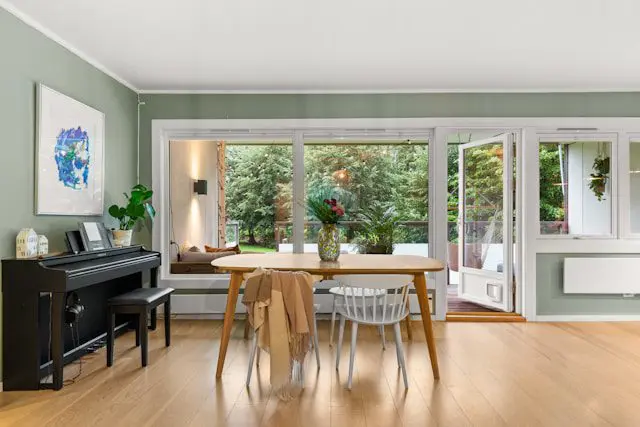
Sustainability is no longer optional in hospitality design, it’s an expectation. Modern luxury hotels are embracing eco-conscious interior designing without compromising elegance.
Key sustainable trends include:
- Energy-efficient lighting systems
- Locally sourced materials
- Indoor greenery and vertical gardens
- Low-VOC paints and finishes
- Smart climate control systems
In Hotel Interior Designing Lucknow, incorporating sustainable materials also helps reflect regional authenticity while reducing environmental impact.
Read also: Hotel Interior Design Cost Breakdown
7. Celebrating Local Art and Cultural Identity
Hotels can tell a story through local craft, art, and materials. Commissioning work from local artisans, using regional textiles, or drawing on traditional patterns in a contemporary form can give a property a strong sense of place.
For Lucknow, this might mean drawing on Awadhi decorative traditions in a restrained way, such as intricate screens, handcrafted fabrics, or a muted palette based on local heritage. The aim is authenticity rather than decoration for its own sake. Work with craftspeople to make sure the details are used with respect and integrated well into the overall design.
Hotels are increasingly:
- Displaying artwork by local artists
- Using traditional patterns in modern formats
- Incorporating regional materials and textures
- Highlighting cultural narratives through décor
For Lucknow-based hotels, this could mean subtle Awadhi influences intricate patterns, handcrafted details, or heritage-inspired color palettes blended seamlessly into contemporary interiors.
8. Technology with Restraint: Avoiding Digital Overload
Guests appreciate technology that works without drawing attention to itself. Simple room controls, reliable Wi-Fi, sufficient charging points near the bed and desk, and in-room systems that are easy to understand all contribute to comfort. Hidden cabling and concealed controls help keep the design calm.
Staff need to be able to use and maintain the systems too. Choose technology that the team can operate easily, and plan wiring and network points early in the design so that the installation does not disrupt finished surfaces later.
Guests prefer:
- Smart controls that are intuitive, not complicated
- Seamless Wi-Fi and charging solutions
- Hidden technology that doesn’t disrupt aesthetics
Focus Points Before Starting Hotel Interior Designing
Before embarking on a hospitality design project, hotel owners should consider:
- Brand Positioning: Is the hotel luxury, boutique, business, or heritage-driven?
- Target Audience: Corporate travelers, leisure guests, destination weddings, or long-stay visitors?
- Operational Efficiency: Design must support staff workflows, maintenance, and scalability.
- Long-Term Relevance: Timeless materials and layouts age better than trend-heavy designs.
Partnering with an experienced Hotel Interior Designer Lucknow ensures these considerations translate into a cohesive, high-performing space.
Why Luxury Hotels in Lucknow Need Thoughtful Interior Designing
Lucknow is a city of elegance, history, and refinement. Hotels operating here must balance cultural sensitivity with global luxury standards.
Professional Hotel Interior Designing in Lucknow helps properties:
- Stand out in a competitive hospitality market
- Attract premium guests and international travelers
- Command higher room tariffs
- Build a strong brand identity
When executed well, interior design becomes a strategic investment not an expense.
Read also: Hotel Interior Design Trends for Boutique & Luxury Properties
Conclusion: Designing Experiences, Not Just Spaces
Good hotel interior design balances emotion and practicality. Lobbies that welcome guests, rooms that feel private and comfortable, bathrooms that are both indulgent and safe, and restaurants with their own identity all contribute to the guest experience. Durable materials, careful planning for staff, and a clear brand direction help those spaces stay relevant for years.
If you are planning a new hotel or renovating an existing property in Lucknow, contact our team for a free consultation. Bring your brand brief, your target guests, and your budget, and we can talk through the options that suit your property.