Hotel interior design shapes how guests, staff, and visitors experience a property from the moment they arrive. A good plan starts with the guest, then sets the layout, lighting, colour, and materials around how the building will be used every day. Durable finishes, clear circulation, safe bathrooms, accessible rooms, and easy maintenance matter as much as style.
In a culturally rich and rapidly growing city like Lucknow, Hotel Interior Design in Lucknow must do more than look luxurious. It needs to reflect local sensibilities, attract the right audience, highlight amenities, and create memorable experiences that encourage repeat visits.
This guide explores why hotel interior design truly matters, followed by 10 hotel interior design tips, along with practical insights that show how even small design decisions can make a powerful impact.
Why hotel interiors need a different approach
A home is used by one household. A hotel is used by many guests, arriving and leaving at different times, and by a team that cleans, repairs, and restocks the building every day. Corridors take constant traffic, lobbies see heavy use from luggage and visitors, and bathrooms get wet and cleaned many times a day.
That difference changes the brief. Materials need to look good on day one and still look acceptable after years of use. Layouts need to support housekeeping and service routes, not only guest journeys. Safety requirements such as escape routes and emergency lighting shape the plan from the start, not as an afterthought.
A well-designed hotel interior can:
- Attract your ideal type of guest
- Clearly communicate your brand promise
- Highlight your hotel’s key amenities
- Differentiate you from nearby competitors
- Encourage event planners to book your property
- Build recognition within the local community
Strong Interior Design in Lucknow hotels ensures your property stands out while remaining relevant to its location.
Hotel Interior Design Tips
1. Define a Clear Interior Design Focus
Before choosing colours or furniture, decide who the property is for. Business travellers, families, leisure visitors, and event guests each need different things. A business hotel may need reliable desks, good lighting, and quiet rooms. A family hotel may need more space, durable floors, and an easy way to store luggage.
Write down the three or four experiences the hotel should offer, such as a calm arrival, a comfortable night’s sleep, or a lively place to meet. Each design choice should support at least one of those experiences. Decisions that do not support them can usually wait.
Ask yourself:
- Who is your core guest?
- Are you catering to business travelers, families, luxury seekers, or tourists?
- What emotions should guests feel when they stay with you?
Your answers should guide everything from layout and materials to colors, furniture, and artwork.
2. Use Color Psychology to Shape Guest Experience
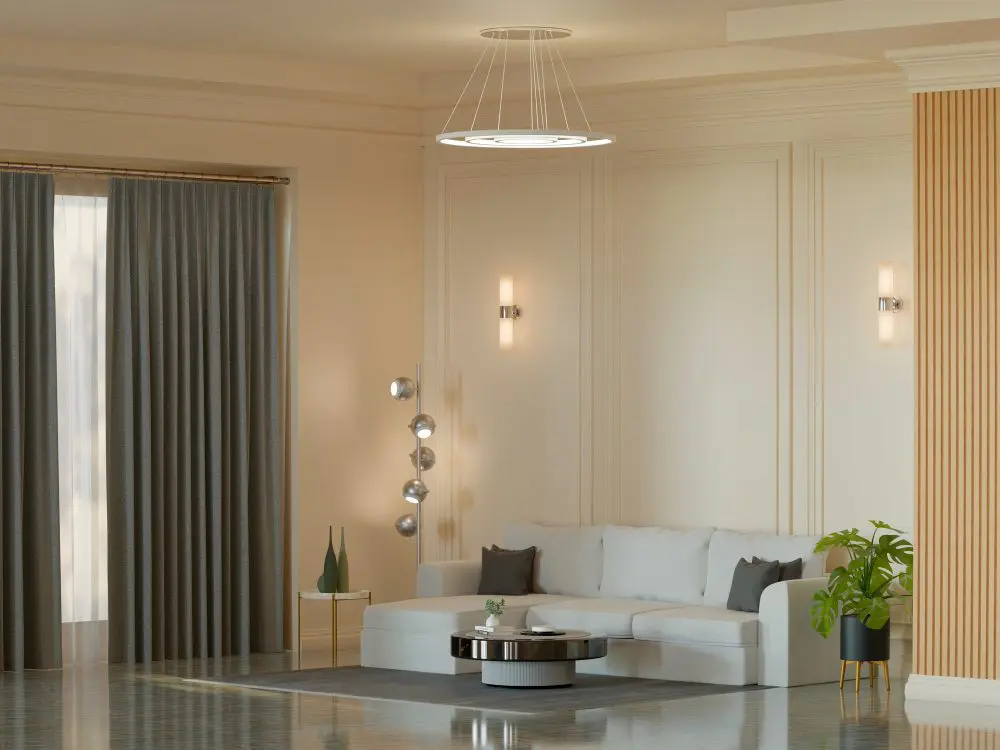
Colour affects how a space feels, and many designers use it to match the purpose of each area. Cooler tones are often used in rooms meant for rest, and warmer tones are common in lounges and dining areas where conversation is expected. These are design conventions rather than guaranteed effects, so test samples in the actual light of each room before committing.
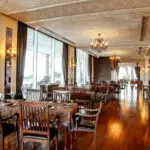
Light shades make a room feel more open, while deeper tones create a sense of enclosure. A bright lobby might use soft creams and warm metals, while a bar may suit deeper, richer colours. Keep the palette consistent across the property so that moving from one area to another feels coherent.
Colors influence mood more than we realize.
- Blues and greens promote calm and relaxation — ideal for guest rooms and bathrooms
- Warm yellows encourage conversation and energy — suitable for lounges and co-working areas
- Purples and metallic tones evoke luxury and sophistication — often used in premium hotels
Light shades make spaces feel open and airy, while darker tones create intimacy. For example, a bright lobby may benefit from creams and golds, while a bar or lounge may feel more inviting with deeper tones.
Read also: Trends in Hotel Interior Designing & Hospitality Design
3. Balance Form with Function
Every element should be easy to use. Door handles should be simple to grip, light switches should be where guests expect them, and wardrobes should open without a struggle. Bathroom fittings should be simple to operate and easy to clean.
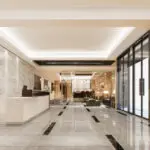
In lobbies and corridors, keep the main paths clear. Seating should sit away from the flow of luggage and foot traffic. Reception should be easy to find from the entrance, and signs should be visible from the places where guests need to make decisions.
Every element should be:
- Easy to understand
- Comfortable to use
- Intuitively placed
This applies to door handles, lighting switches, wardrobes, bathroom fittings, and furniture.
Key Functional Considerations
- Comfortable and well-lit seating areas
- Clear pathways in lobbies and corridors
- Durable flooring in high-traffic zones
- Accessible layouts for all guests
- Clear signage and navigation
A successful hotel interior seamlessly blends aesthetics with everyday practicality.
4. Draw Inspiration from Lucknow’s Identity
Guests choose Lucknow for its culture, history, and elegance your hotel should reflect that.
Local inspiration can be incorporated through:
- Architectural details
- Traditional patterns or textures
- Regional materials and finishes
- Art and décor referencing Awadhi culture
Hotels that embrace their surroundings feel more authentic and memorable, making Hotel Interior Design Lucknow truly distinctive.
5. Design Guest Rooms for the Long Use
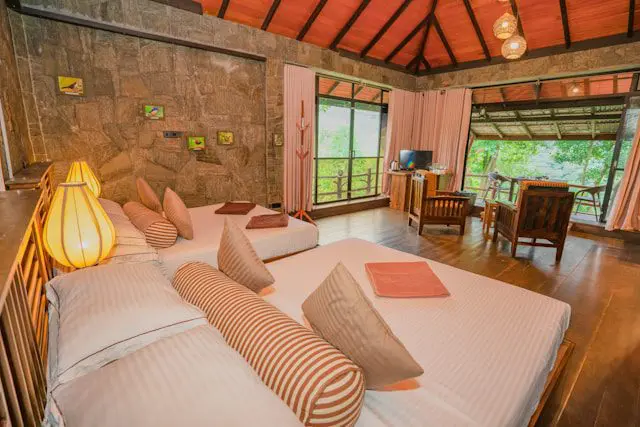
Hotel rooms are refreshed on a cycle, and planning for that cycle saves money. Keep the large, expensive elements neutral: walls, flooring, and the main pieces of furniture. Use soft furnishings, artwork, and accessories to bring in newer looks. When the style changes, most of the room can stay the same.
Choose materials that repair well. A chair with a replaceable upholstery panel or a desk top that can be refinished will last longer than a piece that must be replaced entirely when it is damaged.
Future-proof guest rooms by:
- Keeping walls, flooring, and major furniture neutral
- Choosing timeless materials and finishes
- Using accessories and soft furnishings to reflect trends
This allows you to refresh rooms over time without expensive renovations.
Read also: Hotel Interior Design Cost Breakdown
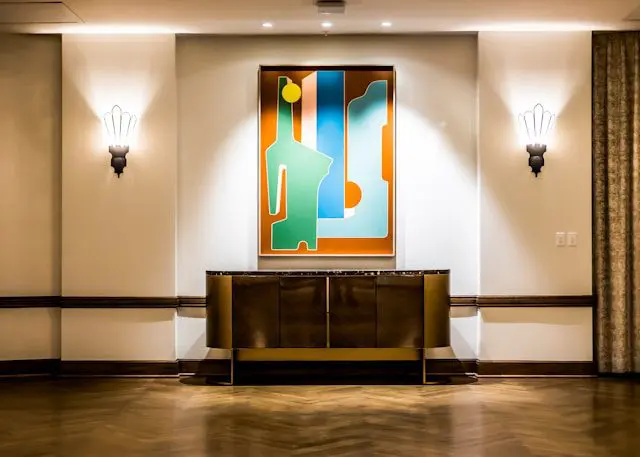
6. Highlight Local Art and Craftsmanship
Local art can make a hotel feel connected to its surroundings.
Ideal spaces for local art include:
- Lobbies
- Dining areas
- Guest rooms
- Hallways and transition zones
Rotating art displays or curated installations not only enrich interiors but also support local artists a win-win for hotels in Lucknow.
7. Connect indoor and outdoor spaces
Modern hotels increasingly blur the line between indoors and outdoors.
This can be achieved through:
- Large windows and balconies
- Courtyards and open-air lounges
- Natural materials and textures
- Views that connect guests with their surroundings
Blending spaces creates openness, enhances comfort, and elevates the guest experience especially in premium Hotel Interior Design in Lucknow projects.
8. Light each area for how it is used
Lighting impacts mood, comfort, and functionality.
- Warm lighting promotes relaxation
- Accent lighting highlights architectural features
- Task lighting improves usability
Well-designed lighting helps guests feel calm, refreshed, and welcomed often without them consciously realizing why.
9. Design Smooth Transitions Between Spaces
Transitions matter more than most hoteliers realize.
Guests should feel a natural flow when moving from:
- Entrance to lobby
- Lobby to elevators
- Hallways to rooms
- Rooms to restaurants or spas
Clear signage, thoughtful lighting, and visual cues help guests navigate confidently while enhancing overall experience.
Read also: Hotel Interior Design Trends for Boutique & Luxury Properties
10. Work with Hospitality Interior Design Professionals
Hotel interiors are not a DIY project.
Professional designers bring:
- Hospitality-specific expertise
- Knowledge of safety and compliance standards
- Budget optimization
- Brand alignment
- Execution coordination
For successful Hotel Interior Design, working with experienced professionals ensures your vision is translated accurately without costly mistakes.
Safety and accessibility
Hotel interiors must meet safety requirements, and the design should support them from the first sketch. Escape routes must be clear, signs must be visible, and emergency lighting and fire systems must be planned with the building services team. Confirm the requirements for your building with a qualified architect or the local authority before you finalise the layout.
Bathrooms need particular attention. Floors should have suitable slip resistance, especially near showers and baths. Surfaces should be water-resistant, and ventilation should prevent moisture from damaging finishes.
Accessibility is also part of good planning. Step-free routes, doors that are wide enough for wheelchairs, lever handles, clear signage with good contrast, and accessible bathrooms all make the hotel usable for more guests. The Rights of Persons with Disabilities Act, 2016 sets accessibility expectations for commercial buildings, and the National Building Code of India includes barrier-free design guidance. A qualified professional can confirm which requirements apply to your property.
Maintenance and staff operations
Design choices affect daily operations for years. Choose finishes that clean easily and can be repaired without replacing the whole surface. Plan storage for linen, amenities, and cleaning supplies near the rooms and areas that use them. Keep laundry and waste routes separate from guest routes where possible.
Plan for replacement. Hotel furniture, fixtures, and equipment wear out at different rates. Keep records of what was installed, where it came from, and how to order replacements. A design that can be maintained in stages is often more affordable over time than one that needs a full refresh.
Conclusion
Good hotel interior design begins with the guest and then plans the building around how it will be used, cleaned, repaired, and enjoyed for years. Clear layouts, appropriate lighting, durable finishes, safe bathrooms, accessible rooms, and considered local character all contribute to the experience.
If you are planning a new hotel or renovating an existing property in Lucknow, contact our team for a free consultation. Bring your guest profile, your floor plan, and your budget, and we can talk through what your property needs.