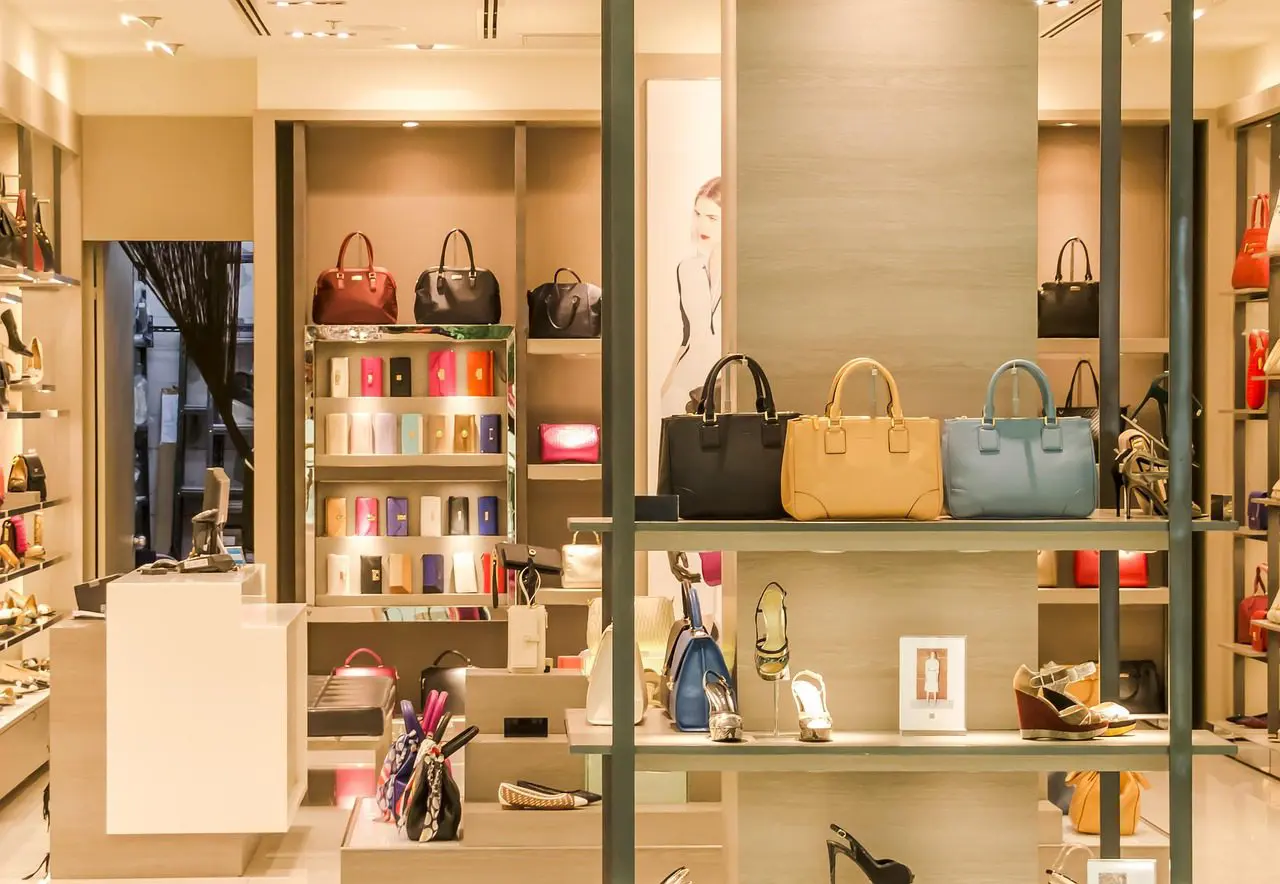
Good shop interior design guides customers through the store, shows products clearly, and reflects the brand behind them. The core elements are layout, lighting, colour and materials, and signage. Current trends favour calm, uncluttered stores, displays that can change easily, and technology that helps shoppers without getting in their way.
A shop interior works quietly. Most customers never think about the layout or the lighting, but they notice when a store feels welcoming, easy to navigate, and worth spending time in. The sections below cover the basics, the trends for 2026, and the planning points that often get missed.
The Importance of Shop Interior Design
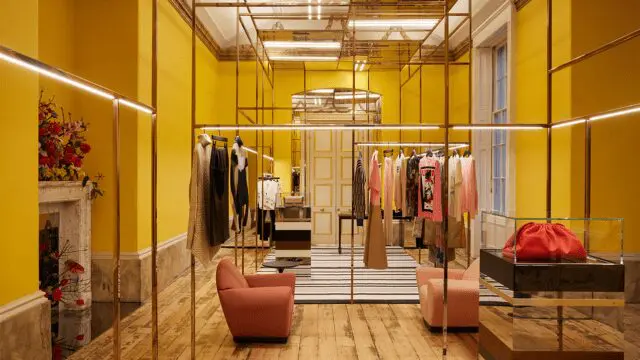
The interior is where the brand meets the customer. Colours, materials, signage, and the way products are arranged all send a message about what the store sells and who it is for. A premium boutique will usually choose quieter tones, precise lighting, and fewer products on display. A store aimed at younger shoppers may use brighter colours and more active displays. Either can work, as long as the interior matches the product and the customer.
A clear interior also helps people find what they want. When the layout is easy to read, shoppers spend less time searching and more time browsing. It is the difference between a store that feels organised and one that feels like a stockroom.
1. Your Store Is a Physical Expression of Your Brand
Your shop interior is your brand brought to life. From colors and materials to signage and typography, every design decision should reflect your brand’s personality and values.
For example, a premium boutique in Lucknow will rely on muted tones, refined lighting, and minimal displays, while a youth-focused retail store may use bold colors, dynamic layouts, and interactive elements. When your physical store aligns with your online presence, customers feel a sense of familiarity and trust—key drivers of repeat visits.
2. It Supports Smooth Navigation & Crowd Management
Good Interior Designers in Lucknow isn’t just design visual. A well-planned layout helps customers move easily through the store, locate products quickly, and explore without feeling overwhelmed.
Strategic placement of aisles, counters, and displays:
- Prevents congestion
- Improves accessibility
- Encourages spontaneous purchases
- Keeps customers comfortable even during peak hours
3. It Creates a Memorable In-Store Experience
Great shop interiors appeal to all the senses. Beyond visuals, thoughtful stores use:
- Soft background music
- Pleasant fragrances
- Comfortable textures
- Balanced lighting
In 2026, immersive retail design is also embracing AR and digital tools, allowing customers to interact with products in engaging ways. When shoppers feel relaxed and inspired, they stay longer and they return.
Key Elements of Effective Shop Interior Design
Let’s break down the core components that make a retail interior successful.
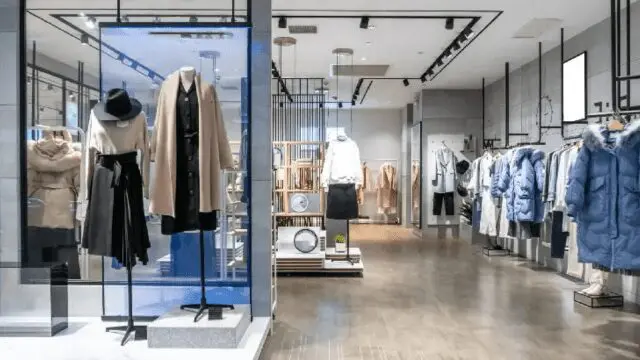
1. Layout & Floor Planning
Your layout dictates how customers experience your store.
A good layout should:
- Feel intuitive from the entrance
- Guide customers naturally through key sections
- Encourage exploration without confusion
Popular layouts include grid (utility stores), free-flow (boutiques), and loop layouts (experience-driven retail). In compact Lucknow stores, hybrid layouts often work best maximizing visibility without clutter.
2. Lighting & Ambience
Lighting is one of the most underestimated tools in shop interior design.
- Ambient lighting creates overall brightness
- Accent lighting highlights products and promotions
- Task lighting supports billing and service counters
Layered lighting creates warmth and depth, ensuring products look appealing without straining the eyes.
3. Color Palette & Materials
Colors and materials influence mood, perception, and even buying behavior.
The right choices can:
- Make small shops feel spacious
- Highlight specific product zones
- Reinforce brand identity
- Improve staff and customer comfort
Neutral bases with selective accent colors work particularly well for retail spaces in Lucknow, allowing flexibility as trends evolve.
4. Signage & Branding Elements
Signage is both functional and emotional.
Effective signage:
- Guides customers effortlessly
- Reinforces brand recognition
- Communicates offers clearly
- Enhances the overall experience
Digital signage and interactive displays are becoming increasingly common, offering dynamic content while keeping interiors fresh and engaging.
Read also: Simple Bedroom Interior Design Examples to Inspire You
Shop Interior Design Trends for 2026
Retail design in 2026 is all about customer-centric spaces, technology, and mindful experiences.
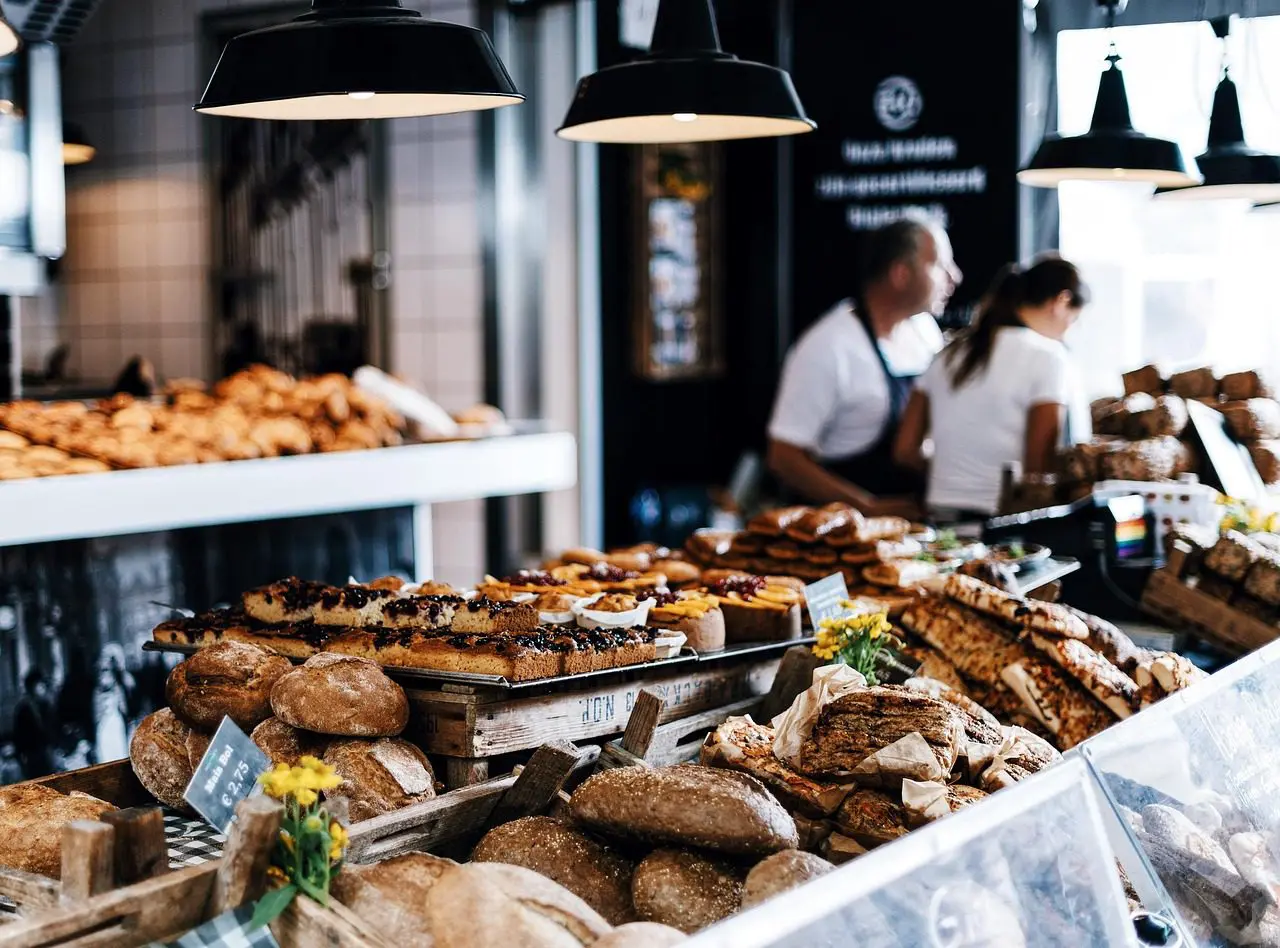
1. Calm, comfortable spaces
Shoppers often respond well to stores that feel calm. Plants, natural materials, soft textures, and good daylight can make a space more comfortable to spend time in. A seating area or a quiet corner near a fitting room can also help customers relax and make decisions without rushing. Plants need light, watering, and maintenance, so choose ones that suit the conditions in the store.
2. Personalized Retail Experiences
Technology works best when it answers a real question. Product information on a screen, a QR code that links to care instructions, or a simple app that shows stock levels can all be helpful. The risk is clutter. Too many screens, sensors, or interactive displays can make a store feel busy and make the staff’s job harder. Plan wiring, power, and network points early so that the technology is easy to maintain.
Using technology and data, retailers are offering:
- Personalized recommendations
- QR-based product information
- Customized offers
- App-integrated shopping assistance
This creates a seamless connection between online and offline brand experiences.
3. Spaces for photographs
Many shoppers photograph items and spaces they like and share them online. A small area with good lighting and a clean backdrop can encourage this, provided it fits the brand. The space does not need to be elaborate. A simple wall with the store name, a well-lit section of the shop, or a display that tells a clear story can be enough.
- Click photos
- Record videos
- Share brand experiences on social media
These spaces boost visibility, engagement, and organic promotion.
4. Sustainability & Eco-Conscious Design
Sustainable Shop Interior Design in Lucknow is no longer optional.
Retailers are adopting:
- Energy-efficient lighting
- Recycled materials
- Low-waste construction
- Informative sustainability signage
Eco-friendly interiors resonate strongly with modern consumers.
5. Curated, uncluttered displays
Fewer, well-chosen products often make a stronger impression than a crowded shelf. Curated displays tell a story, show how products are used, and make it easier for customers to choose. Rotate displays regularly so the store feels current, and keep a clear space around the most important items.
Clean layouts, open spaces, and curated displays help:
- Reduce visual fatigue
- Highlight product quality
- Create premium appeal
Minimalism also improves navigation and reduces customer stress.
6. Immersive Brand Experiences
Augmented reality and other interactive tools can help customers visualise products, especially furniture, eyewear, or cosmetics. They work best when they answer a question the customer already has. Test whether the tool is used before investing in it, and make sure it does not slow down the checkout or confuse staff.
AR and VR technologies are transforming retail by offering:
- Virtual try-ons
- Product visualization
- Interactive customization
- Digital storytelling
These experiences deepen engagement and improve purchase confidence.
7. Integrated Digital Displays
Digital screens embedded within shelves or aisles provide:
- Real-time product info
- Personalized promotions
- Interactive browsing
They keep the retail environment dynamic without overwhelming customers.
Practical tips for the shop floor
1. Keep Your Color Palette Focused
Start with a focused colour palette. Pick two or three brand colours and use them consistently across fixtures, signage, and packaging. This keeps the store looking intentional, and it makes it easier to change the look later.
2. Optimize Product Displays
Group related products, tell visual stories, and use lighting to highlight key items. Strategic placement boosts both planned and impulse purchases.
3. Ease Customers in at the Entrance
Avoid overwhelming shoppers immediately. Soft lighting, clean displays, and calm colors near the entrance create a welcoming first impression.
4. Use the Power Wall Strategically
The first wall customers see should showcase:
- New arrivals
- Seasonal collections
- Bestsellers
This high-visibility zone sets the tone for the entire store.
Planning points before you start
Several practical issues can delay a shop project or add unexpected cost, so check them early. If you plan to change the shopfront or signage, confirm what permissions are needed from the building owner and the local authority. Keep fire exits clear and check that the layout meets the required clearances for escape routes. Work out the electrical load for lighting, refrigeration if you need it, billing equipment, and any display screens, and have a qualified electrician confirm it. Plan security, including camera positions and the location of the cash or billing point, so that staff can see the whole floor from the counter. Finally, position the checkout where it does not block the main route and where staff can serve customers without crossing the floor.
Ask for a written estimate that separates design fees, fittings, lighting, electrical work, signage, and contingency. Ask for a timeline with milestones, and check how the designer handles delays in materials or approvals.
Frequently asked questions
Do I need approval for shop signage?
Often, yes. Signage rules depend on the building, the location, and the local authority. Check with the building owner and the relevant authority before ordering signs, and ask your designer or sign maker to confirm the requirements for your site.
How much space does a small shop need for a good layout?
There is no single answer, because layout depends on the products, the number of staff, and how customers move. The aim is a clear main route, room for two people to pass, and a counter that is easy to reach. A designer can test different layouts on a floor plan before anything is built.
How often should a shop refresh its interior?
It depends on how quickly the product range changes and how heavily the space is used. Many retailers rotate displays and seasonal items often, and refresh larger elements, such as fixtures or lighting, less frequently.
Conclusion
Good shop interior design is a balance of strategy and restraint. A clear layout, well-planned lighting, a focused palette, and durable materials create a store that is easy to use and pleasant to spend time in. The trends for 2026 are most useful when they suit the brand, the product, and the customer.
If you are planning a new shop or refreshing an existing one in Lucknow, contact our team for a free consultation. Bring your floor plan, your product range, and your budget, and we can talk through what your store needs.