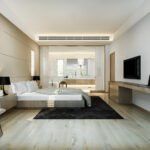
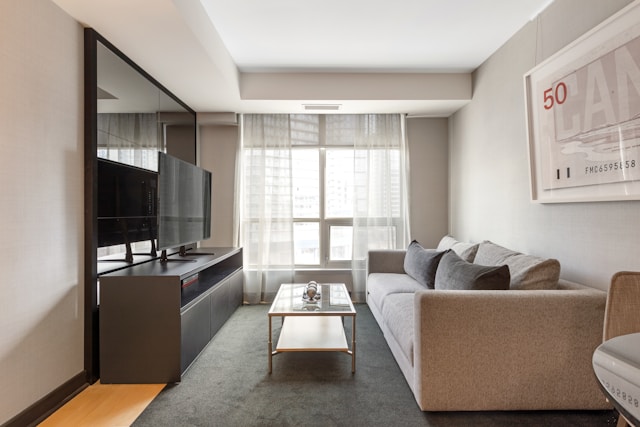
Hotel design today isn’t just about walls, furniture, or colour palettes, it’s about creating meaningful experiences guests remember long after checkout. With rising competition in hospitality, stunning interior design has become a strategic business tool to attract guests, drive social shares, and boost revenue. In Lucknow, thoughtful hotel interior design is transforming boutique and luxury properties into immersive, story‑driven spaces that delight and inspire.
Why Interior Design Matters in Boutique & Luxury Hotels
Guests no longer choose hotels based solely on location or price, they choose experiences. The look and feel of a hotel influences expectations around comfort, services, and even the perceived value of a stay. A great design:
- Communicates brand identity instantly
- Enhances guest comfort and usability
- Encourages social sharing and marketing
- Builds repeat business and loyalty
- Improves operational efficiency
When hoteliers involve a seasoned Hotel Interior Designer, they gain tailored designs that reflect both market trends and local essence a critical advantage in luxury and boutique segments.
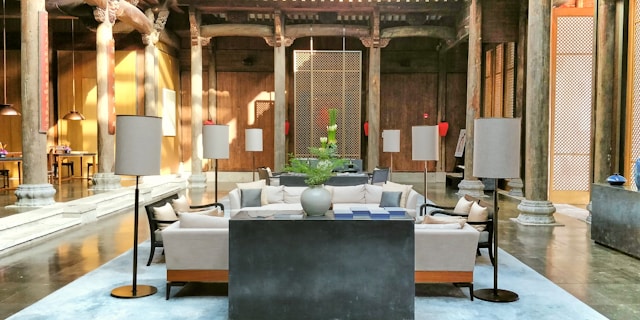
1. Culturally Inspired Interiors: Local Narrative Meets Global Aesthetics
One of the strongest trends in modern hotel design is incorporating stories of place and nowhere is this more relevant than in Lucknow, a city rich with heritage and culture.
How It’s Done
- Using motifs inspired by Awadhi architecture, such as jaali screens, chhatris, and carved wood.
- Textile choices reflecting local crafts like chikankari or zardozi.
- Art installations featuring local artists or regional themes.
Boutique hotels can stand apart by embedding local culture into every space from lobby installations to room décor. This not only enhances guest experiences but also builds an emotional connect that guests carry home.
2. Biophilic Design: Nature That Comforts & Conquers
Biophilic design the art of integrating natural elements into interiors is a powerful trend in hotel design worldwide. It enhances well‑being, reduces stress, and improves indoor air quality, making guests feel rejuvenated.
Trend Highlights
- Indoor vertical gardens in the lobby or corridors.
- Green terraces and balconies for guest relaxation.
- Natural materials such as wood, stone, linen, and jute.
- Water features like fountains or reflecting pools at entrance zones.
Hotels that adopt biophilic elements create soothing spaces that guests interpret as luxury not just because they look beautiful, but because they feel better.
3. Luxury Minimalism: Understated Yet Impactful
Minimalism has become synonymous with modern luxury. Clean lines, neutral palettes, and purposeful design make spaces feel open, calm, and premium.
What Luxury Minimalism Involves
- Monochromatic tones with rich accent textures
- Seamless, custom‑built furniture
- Hidden storage and concealed lighting
- Statement pieces without clutter
In boutique hotels, this design language lets details shine such as handcrafted lighting, curated artifacts, or striking sculptures without overwhelming interiors.
4. Sustainable Interiors: Ethics Meets Aesthetics
Sustainability isn’t a fad, it’s now a cornerstone of premium hospitality design. Guests increasingly value eco‑friendly hotels, and smart interior design can support this trend while driving revenue.
Sustainable Practices
- FSC‑certified wood, recycled glass, and low‑VOC paints
- Solar‑assisted lighting and motion sensor LEDs
- Upcycled décor pieces with modern finishes
- Water‑saving fittings in bathrooms and guest areas
Not only do sustainable interiors appeal to conscientious travelers, but they also reduce operational costs a win‑win for boutique and luxury hotels.
5. Technology‑Driven Smart Interiors
Modern guests expect convenience and seamless tech integration. Smart hotel rooms can elevate experiences and even allow premium pricing for tech‑enabled stays.
Smart Room Features
- App‑controlled lighting and temperature
- Keyless entry systems
- Voice‑activated assistants
- Smart entertainment systems
- Automated blinds
Successful Hotel Interior designing in Lucknow blends technology with design so it feels intuitive and unobtrusive enhancing comfort without distracting from aesthetic beauty.
Read also: Hotel Interior Design Cost Breakdown (Rooms, Lobby, Lighting)
6. Personalized Guest Experiences Through Design
Guests today seek personalization and interior design is a key way to deliver it.
Personalization in Interiors
- Modular furniture that adapts to guest needs
- Custom lighting scenes for different moods
- Room features that guests can tailor (e.g., scent diffusers, sound profiles)
- Local art and curated décor that tell unique stories
This level of detail often crafted by experienced hotel interior designers makes each stay feel unique and deeply memorable.
7. Insta‑Worthy Spaces & Moments
Social media has transformed how guests choose and review hotels. Instagram‑worthy corners striking backdrops, memorable features, artistic lighting are now considered essential in luxury and boutique hotels.
Popular Insta Spots
- Feature walls with murals or custom art
- Roof lounges with panoramic views
- Sculptural installations in lobbies
- Statement staircases or corridors
- Elegant mirror or neon signage
Designers now reserve dedicated budgets for these visual focal points because they essentially act as free marketing through guest shares.
8. Wellness‑Centric Design: Spa‑Inspired Spaces
Health and wellness are massive trends in hospitality. Bespoke wellness spaces help position boutique and luxury hotels as sanctuaries for rest and rejuvenation.
Design Features
- Spa zones with soft lighting and natural elements
- Yoga, meditation, and fitness rooms with calming textures
- Sauna or steam rooms with premium finishings
- Relaxation lounges with greenery and water features
Hotels with wellness‑driven interiors attract guests seeking restorative experiences a valuable demographic in the luxury travel segment.
9. Flexible Public and Co‑Working Spaces
The modern traveler often blends business and leisure. As remote work habits become mainstream, hotels are adding flexible co‑working areas, lounges, and meeting rooms that combine style + usability.
Features That Work
- Charging stations and USB ports everywhere
- Comfortable seating with varied postures
- Privacy pods for calls or focused work
- Aesthetic transitions between lobby, café, and work zones
This trend enables hotels to attract both guests and local professionals boosting usage throughout the day.
10. Boutique Suite Design: Unique Themes & Narratives
Boutique hotels thrive on individuality. Unlike standardized chains, they offer themed rooms or suites — each with its own story, colour scheme, and design direction.
Themes That Resonate
- Heritage lux with hand‑painted décor
- Contemporary elegance with minimalist chic
- Eco‑organic suites with natural materials
- Futuristic tech suites with immersive features
A highly skilled Hotel Interior Designer can curate each suite like a work of art giving guests reasons to explore rooms beyond just the bed.
11. Lighting as a Design Language
Lighting does more than illuminate, it creates mood, highlights texture, and defines space hierarchy.
Lighting Strategies
- Layered lighting (ambient, task, accent)
- Cove and indirect lighting for drama
- Warm tones in guest rooms for relaxation
- Feature pendants or chandeliers in lobbies
- Smart lighting responsive to time of day
Proper lighting planning a core part of Hotel interior design Lucknow projects can transform atmospheres and accentuate architectural features beautifully.
Read also: Everything You Need to Know About Hotel Interior Design
12. Material & Texture Play
Luxury and boutique hotels are pushing creative boundaries with materials and textures not just for looks, but for touch and sensory engagement.
Current Trends Include
- Matte and brushed metals for a refined feel
- Luxurious velvets and textured upholsteries
- Polished stone and marble with bespoke veining
- Leather accents and natural wood grains
Mixing textures creates depth and richness essential qualities in upscale interiors that want to evoke luxury without excess.
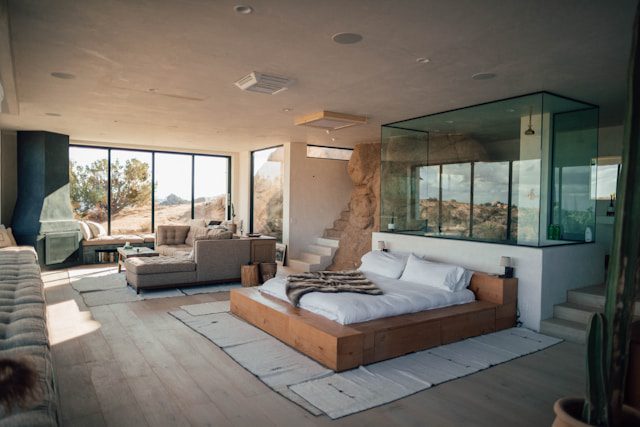
How Much Does Hotel Interior Design Cost in Lucknow?
Hotel interior design cost can vary widely based on scale, level of luxury, location, and finishes. Approximate figures in a city like Lucknow:
| Property Type | Estimated Cost (Per Sq. Ft.) |
|---|---|
| Budget/Value Hotel | ₹1,200 – ₹1,800 |
| Boutique Property | ₹2,000 – ₹2,800 |
| Luxury 4★/5★ Hotel | ₹3,000 – ₹4,500+ |
These ranges include design fees, material costs, furniture, lighting, and basic tech integrations. Premium bespoke elements can raise the total, but experienced Hotel interior designers can help balance creativity and budget.
Why Work With a Professional Hotel Interior Designer?
Interior design at this level is not just decoration, it’s strategic brand building. A professional Hotel Interior Designer in Lucknow brings:
- Deep knowledge of guest psychology and trends
- Local vendor partnerships (cost + quality advantage)
- Compliance with safety, fire, and hospitality standards
- Project management expertise
- Customized design solutions aligned with brand values
Their input ensures your investment pays dividends in guest satisfaction, online reviews, loyalty, and long‑term revenue growth.
Final Thoughts
The hospitality landscape is more competitive than ever. Today’s travellers seek more than a bed, they want experiences, stories, comfort, and spaces worth sharing. For boutique and luxury hotels, interior design is at the heart of this transformation.
Whether you’re launching a new property or renovating an existing one, staying abreast of design trends from biophilic aesthetics to tech‑integrated rooms gives you an edge. With the right Hotel interior design, you can create spaces that enchant guests, elevate your brand, and drive sustainable revenue for years to come.