
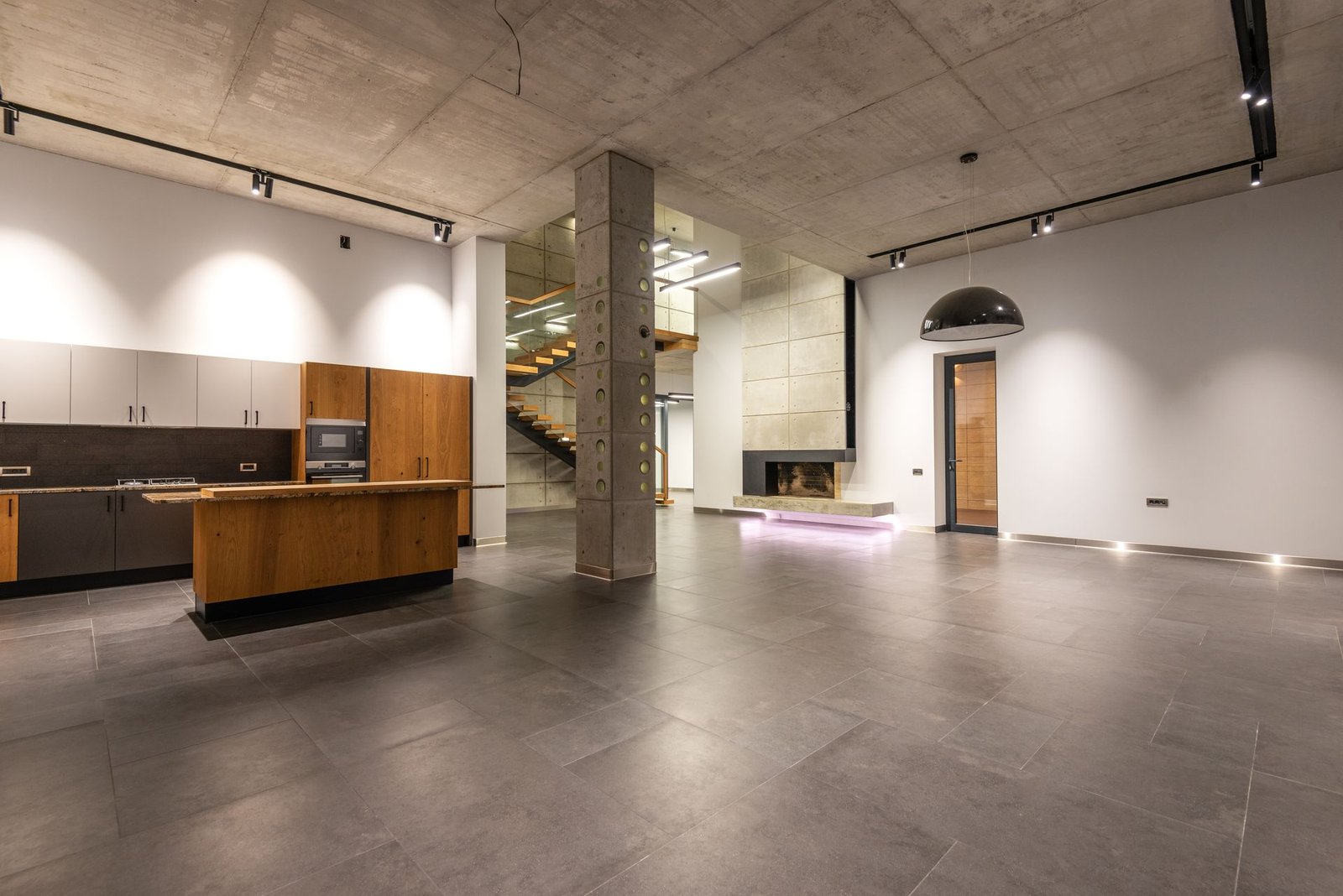
The Best Flooring Options for most Indian homes are vitrified tiles for dependable everyday use, granite for hard-working areas, marble for natural luxury, and engineered wood or quality laminate for warm, dry rooms. Vinyl or SPC can be practical for fast renovations, while terrazzo, red oxide, bamboo and reclaimed materials offer distinctive traditional or lower-impact alternatives. There is no universal winner. The correct floor depends on the room, subfloor, water exposure, family routine, expected life, maintenance tolerance and complete installed cost.
For a typical Lucknow apartment, use neutral vitrified tiles through living, dining and circulation areas; anti-skid tiles in bathrooms, balconies and utility spaces; and consider engineered wood, laminate or SPC only in dry bedrooms where warmth matters. Villas can justify granite, marble or terrazzo in selected zones. Always approve a physical sample, check slip resistance and water exposure, and compare the full installation scope.
How to Compare Flooring Without Being Misled by the Per-Square-Foot Price
Flooring is a system, not only a surface. Two products advertised at the same rate can produce very different project totals. One quote may cover only the tile or plank; another may include adhesive, mortar, levelling, grout, labour, skirting, cutting and polishing. Renovation work can add demolition, debris removal, door trimming, toilet refitting and height corrections. Ask every supplier or contractor to price the same measured area and scope.
The planning ranges below are broad July 2026 references for Lucknow and Indian urban markets, not quotations. They combine current local tile indications with wider published Indian flooring ranges. Brand, grade, slab or tile size, pattern, site access, floor condition, order quantity and labour can move the number substantially. Natural materials also create more wastage because shade, veins, cracks and directional laying must be managed.
Flooring Price Guide for Lucknow Homes
| Flooring type | Material planning range | Typical installed planning range* | Best suited to |
| Vitrified tile | ₹60-₹250/sq ft | ₹110-₹380/sq ft | Most rooms; strong value and low maintenance |
| Ceramic floor tile | ₹35-₹120/sq ft | ₹80-₹220/sq ft | Light-use rooms and budget renovations |
| Indian marble | ₹80-₹350/sq ft | ₹220-₹650/sq ft | Living, foyer and premium dry areas |
| Imported marble | ₹300-₹1,200+/sq ft | ₹550-₹1,700+/sq ft | Luxury statement areas with specialist care |
| Granite | ₹120-₹400/sq ft | ₹250-₹650/sq ft | Entrances, stairs, kitchens and heavy-use zones |
| Engineered wood | ₹250-₹700/sq ft | ₹330-₹900/sq ft | Dry bedrooms, lounges and premium offices |
| Laminate flooring | ₹80-₹300/sq ft | ₹120-₹420/sq ft | Dry rooms and fast, budget-conscious upgrades |
| Vinyl / SPC / LVT | ₹70-₹350/sq ft | ₹110-₹500/sq ft | Renovations, rentals and quick installation |
| Terrazzo | ₹120-₹600+/sq ft | ₹220-₹850+/sq ft | Character homes, villas and custom floors |
| Red oxide / IPS concrete | ₹90-₹250/sq ft | ₹130-₹350/sq ft | Minimal, rustic or traditional interiors |
| Bamboo / cork | ₹180-₹600+/sq ft | ₹260-₹800+/sq ft | Dry low-traffic spaces after sourcing checks |
*Installed ranges are budgeting estimates, not simple material-plus-labour formulas. They may include basic laying or underlay but can still exclude demolition, major screed correction, waterproofing, premium adhesive, designer patterns, skirting, stair nosing, polishing, taxes and transport. Obtain a measured site quotation.
Modern and Popular Choices
1. Vitrified Tiles: Best All-Round Flooring for Indian Homes
Vitrified tiles are the safest default for many Lucknow homes because they are dense, easy to clean, widely available and offered in stone, marble, concrete and wood looks. Large formats reduce grout lines and can make an apartment appear calmer, but they demand a level base and skilled handling.
Glossy surfaces reflect light beautifully in living rooms, while matt or structured finishes are safer where water, dust or outdoor exposure is expected. Official manufacturer guidance highlights low water absorption, stain resistance and purpose-made anti-skid finishes for exterior or wet applications.
Choose the tile by use, not only appearance. Confirm whether it is rated for floors, inspect calibre and shade codes across boxes, and keep spare pieces from the same batch. Very pale glossy tiles reveal dust and footprints; highly patterned tiles can dominate small rooms. A neutral matt or satin tile in a practical size is usually the best balance of longevity, repairability and resale appeal.
2. Ceramic Tiles: Affordable but Better for Lighter Duty
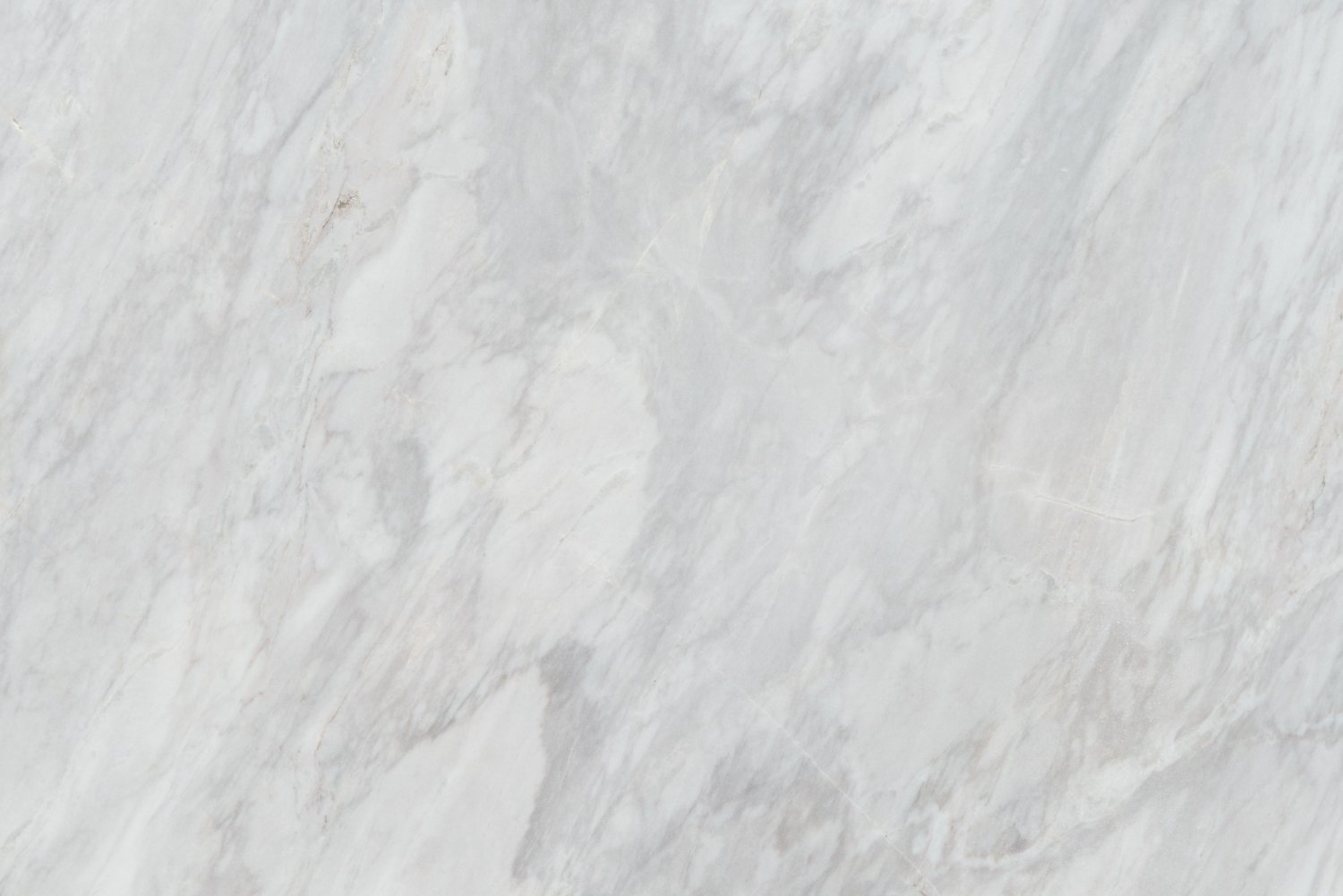
Ceramic floor tiles can cost less than vitrified products and offer excellent colour and pattern variety. They work for bedrooms, utility spaces, rental properties and low-to-moderate traffic when the product is specifically rated for floors. They are generally more porous and may chip more readily than dense vitrified tiles, so they are not automatically the economical choice for a busy entrance or large family living room. Never substitute a wall tile on the floor; its strength and surface grip may be unsuitable.
Read also: Top 10 Best Furniture Brands in India
3. Engineered Wood: Natural Warmth With Better Stability
Engineered wood uses a real-wood top layer over a stable layered core. It gives bedrooms, lounges and studies a warmer visual and tactile character than stone or tile, while generally coping with dimensional movement better than solid timber. Current Indian manufacturers offer factory-finished planks, click installation, water-resistant technologies and long product warranties on selected ranges. Those claims remain product-specific: standing water, subfloor moisture, harsh mopping and direct sun can still cause damage or colour change.
Use engineered wood only after a moisture and level check. Ask about top-layer thickness, core construction, termite protection, underlay, expansion gaps, permitted cleaning and whether the floor can ever be refinished. Avoid it in bathrooms, open balconies and leakage-prone kitchens unless the manufacturer explicitly approves the exact system for that exposure.
4. Laminate Flooring: Wood-Look Value for Dry Rooms
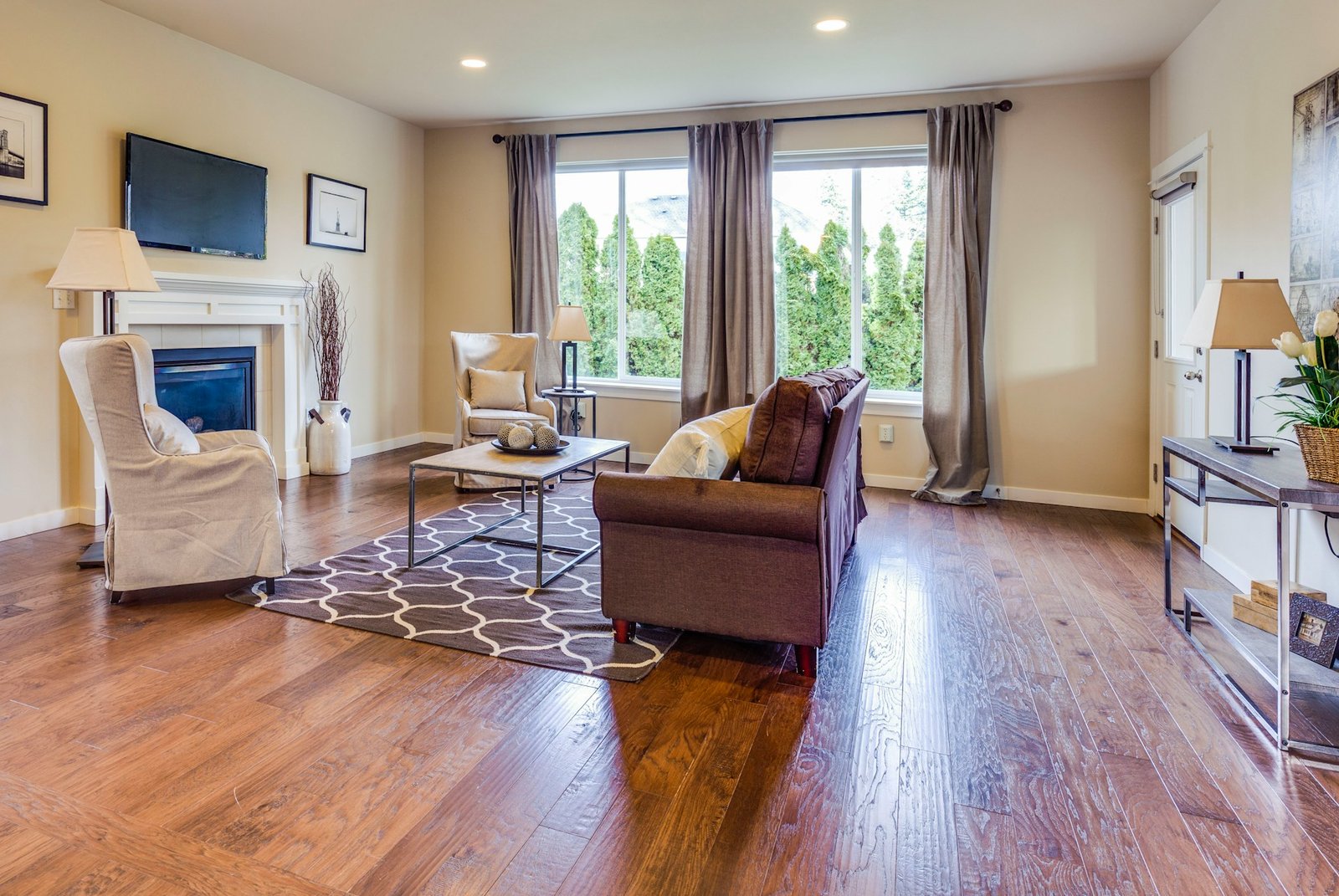
Laminate flooring creates a wood look using a printed wear surface over a fibreboard core. It is fast to install, scratch-resistant in appropriate grades and less expensive than real wood. Floating click systems can also reduce renovation downtime. Its weakness is moisture at joints and edges: once the core swells, repair usually means replacing boards. Compare abrasion class, plank thickness, joint quality, water-resistance duration, underlay and warranty rather than selecting only by colour.
5. Vinyl, LVT and SPC: Fast Renovation-Friendly Floors
Resilient floors include flexible sheet or plank vinyl, luxury vinyl tile and rigid SPC products. They can be comfortable underfoot, quiet, easy to clean and installed over a suitable existing floor with less demolition. This makes them attractive for rentals, bedrooms and occupied-home renovations. Quality varies enormously. Thin products can telegraph uneven tiles and grout lines, while poor joints, weak wear layers or inadequate expansion space cause visible failure.
Ask for total thickness, wear-layer thickness, dimensional stability, slip performance, indoor-emission documentation, underlay requirements and written wet-area limitations. Waterproof material does not make the entire installation waterproof; water can still enter beneath edges or through an untreated substrate.
Read also: 10 Best Sofa Brands in India
Traditional and Eco-Friendly Choices
6. Marble: Timeless Natural Luxury
Marble remains one of the most admired Flooring Options for Indian Homes because every slab is unique and a well-laid floor can be repolished. Indian marbles can create elegant, regionally rooted interiors; imported stones offer more dramatic colours and veining at a higher cost. Marble is porous, can stain or etch, and needs experienced sorting, bedding, joint treatment and polishing. Highly polished marble can be slippery when wet. Use it where its natural variation is valued and the household accepts sealing and periodic care.
7. Granite and Kota-Type Natural Stone: Durable, Practical Character
Granite is hard, durable and suitable for entrances, stairs, passages, kitchen-adjacent spaces and other demanding zones. It is available in polished, honed and textured finishes, with darker stones generally hiding marks better. The floor can feel visually heavy if used without restraint, so many designers reserve it for borders, staircases or functional zones. Kota and similar Indian stones provide a quieter, traditional character and can age beautifully, but colour variation, porosity and polishing quality must be managed.
Read also: Top Modular Kitchen Brands in India
8. Terrazzo: Heritage Appeal With Contemporary Possibilities
Terrazzo combines aggregates such as marble chips with cementitious or resin binders. It can be poured in place or installed as tiles, producing anything from a subtle speckle to custom borders and large graphic fields. Cement terrazzo suits heritage-inspired homes; epoxy systems enable brighter colours and thinner applications but require specialist execution. Current Indian cost references vary widely because binder, aggregate, pattern, grinding and site scale drive the price. A seamless-looking floor is not maintenance-free: movement joints, cracks, pinholes and sealer renewal must be planned.
9. Red Oxide and IPS Concrete: Honest, Minimal and Craft-Led
Red oxide flooring is associated with traditional Indian homes, while polished IPS or decorative concrete creates a restrained contemporary look. Both depend more on workmanship and curing than on a branded box. Minor colour variation and hairline cracking are part of the material language, not always a defect. These floors work for homeowners who appreciate patina and want fewer applied layers. Ask for a site mock-up, pigment consistency, bay and joint strategy, curing method, sealer, repair approach and a realistic acceptance standard before work begins.
10. Bamboo, Cork, Reclaimed Wood and Reused Stone
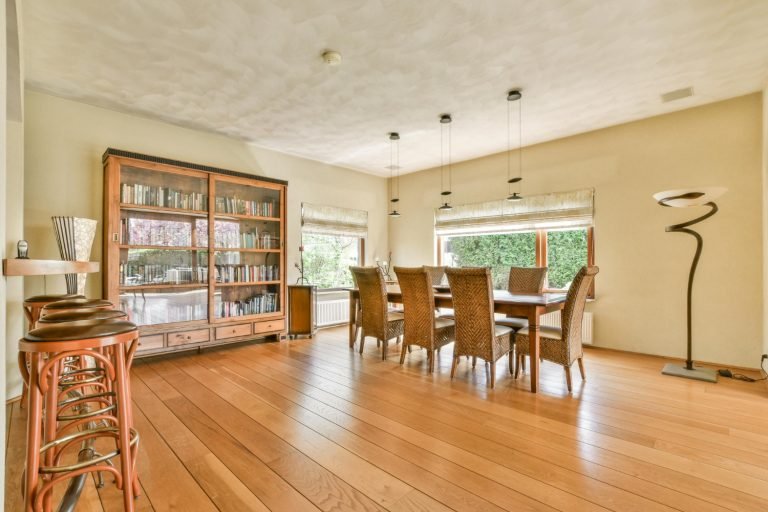
Eco-friendly claims require scrutiny. Bamboo grows quickly, cork can be comfortable and acoustically soft, reclaimed wood preserves existing material, and reused stone avoids new extraction. Yet transport, binders, finishes, termite treatment, durability and replacement frequency affect the real environmental outcome. Ask for source traceability, emission information, finish chemistry, moisture limits and repair options. For Lucknow homes, use these choices in dry controlled areas and buy extra material because an uncommon shade or profile may be difficult to replace later.
Read also: Top 10 Interior Design Companies in Lucknow
Best Flooring by Room
| Room / zone | Recommended starting choices | Main decision |
| Living and dining | Vitrified tile, marble, terrazzo, engineered wood | Traffic, visual continuity and maintenance |
| Bedrooms | Vitrified tile, engineered wood, laminate, SPC | Warmth, dust, acoustics and moisture risk |
| Kitchen | Matt vitrified tile, granite, selected resilient flooring | Spills, grease, dropped utensils and cleaning |
| Bathroom | Anti-skid floor tile or textured stone system | Slip resistance, slope, joints and waterproofing |
| Balcony / terrace | Exterior anti-skid tile or textured stone | UV, standing water, heat and drainage |
| Stairs | Granite, stone, vitrified stair tile, engineered timber system | Nosing, grip, edge visibility and strength |
| Children / elders | Matt tile, resilient flooring, engineered wood | Slip, impact, hygiene and ease of movement |
| Rental renovation | Ceramic, vitrified, laminate or SPC by room | Fast work, replacement and total ownership cost |
What Works Best in Lucknow’s Climate and Homes?
Lucknow experiences hot summers, a humid monsoon and dusty dry periods. That combination rewards surfaces that tolerate frequent cleaning and punishes poorly sealed joints or moisture-sensitive cores. Ground-floor homes need special attention to rising damp; top floors and west-facing rooms can experience greater heat and movement. In apartments, lift size, working-hour rules and debris routes also affect large slabs and demolition.
A practical whole-home palette usually uses one durable neutral floor across connected public areas, then changes only where function justifies it. This improves visual continuity and reduces awkward level differences. Bathrooms and balconies still require dedicated anti-skid surfaces. Bedrooms may switch to wood-look materials for comfort, but thresholds and door clearance must be resolved on drawings before purchase.
How to Calculate the Real Flooring Budget
- Measure the net floor area room by room, including niches, passages and wardrobe zones that will receive flooring.
- Add a sensible wastage allowance: often 7-10% for straight tile layouts and more for diagonal patterns, large slabs, stone sorting or future repairs.
- Price the substrate: screed correction, crack repair, damp treatment and waterproofing can matter more than the finish.
- Add installation materials and labour, including adhesive or mortar, grout, spacers, underlay, trims, polishing and protection.
- Include skirting, thresholds, stair nosing, floor traps, movement joints and transitions between different materials.
- For renovation, include removal, debris disposal, fixture refitting, door trimming, furniture shifting and temporary accommodation if required.
- Retain spare material from the same batch and release final payment only after cleaning, snag correction and documentation.
Questions to Ask Before Approving Any Flooring
- Is this exact product approved for the intended floor, traffic and wet or outdoor exposure?
- What are the batch, shade, calibre, finish, thickness, slip and water-resistance specifications?
- What substrate preparation, adhesive, grout, underlay or sealer does the manufacturer require?
- Does the rate include wastage, cutting, skirting, polishing, profiles, transport, taxes and debris removal?
- Who is responsible if the base is uneven, damp or cracked after the old finish is removed?
- How will slopes, floor traps, doors, wardrobes, kitchen plinths and transitions be coordinated?
- What mock-up or sample area will be approved before full installation?
- What installation and product warranties apply, and what maintenance can invalidate them?
Common Flooring Mistakes to Avoid
The most expensive errors happen before installation: choosing gloss for a wet bathroom, fixing wood over a damp base, mixing batches, ordering too little material, or allowing floor levels to collide with doors and fixed furniture. Another common mistake is spreading a luxury material everywhere. Spend where touch, view and longevity justify it; use robust value materials in utility or low-visibility zones.
Do not approve flooring from a small digital image. View full tiles or multiple planks in daylight and artificial light, then place them beside cabinetry, paint and stone samples. Natural materials must be dry-laid and sorted. For manufactured products, open boxes from more than one pallet before installation so shade or printing variation is discovered early.
Final Recommendation: Choose a Flooring System, Not Just a Look
Among the many Types of Flooring Options, the right decision is the one that performs in your actual home. Begin with room conditions and family behaviour, then compare appearance, complete cost, maintenance and repairability. For most Lucknow apartments, vitrified tiles with dedicated anti-skid wet-area surfaces provide the clearest value. Use marble, granite, engineered wood, terrazzo or craft-led floors selectively where their character earns the extra cost and care.
Lucknow Interio can build a coordinated flooring plan around your layout, lighting, cabinetry, climate exposure and renovation sequence. The team can help assess samples, define room-wise specifications and compare installation quotations as part of a complete interior design in Lucknow project.
Call 8800127922 or email contact@lucknowinterio.com to request a consultation and customized quotation.
Frequently Asked Questions
Which flooring is best for homes in Lucknow?
For Lucknow's heat, monsoon humidity and dust, neutral vitrified tiles are a dependable whole-home base. Use anti-skid exterior or bathroom tiles in wet zones. Engineered wood, laminate or SPC can work in dry bedrooms after checking moisture, level, warranty and cleaning restrictions.
How much does flooring cost per square foot in Lucknow?
As a planning guide, installed vitrified flooring may range around ₹110-₹380 per sq ft, while marble, granite, wood, terrazzo and custom patterns can cost more. Removal, levelling, waterproofing, skirting, polishing, taxes and transport may be extra. A measured quotation is essential.
Is marble or vitrified tile better for a home?
Vitrified tile is usually easier to budget, clean and replace, with consistent colour and low water absorption. Marble provides unique natural beauty and can be repolished, but needs sorting, sealing and periodic care. Choose marble for character; choose vitrified tile for predictable everyday performance.
Is wooden flooring suitable for Indian weather?
Engineered wood can perform well in dry, climate-controlled rooms when installed on a level, moisture-tested base with correct expansion gaps. Avoid standing water, wet mopping and untreated leakage. Solid wood moves more with humidity, while laminate and wood-based cores also need careful moisture protection.
What is the safest flooring for bathrooms and elderly homeowners?
Choose a purpose-made matt or textured floor tile with documented slip resistance, correct drainage slope and minimal lippage. Avoid mirror-polished stone and glossy tiles in wet areas. Good lighting, visible step edges, secure grab bars and level transitions are as important as the surface.
Are vinyl and SPC floors waterproof?
The plank material may resist water, but the installed floor is not automatically a waterproofing system. Water can travel through perimeter gaps, joints or damaged areas and remain beneath the floor. Confirm wet-area approval, substrate treatment, edge detailing and warranty conditions for the exact product.
Can an interior designer help choose flooring?
Yes. An interior designer can coordinate flooring with room use, colour, lighting, cabinetry, doors, levels, waterproofing and the project budget. The designer should compare equivalent specifications, prepare a room-wise finish schedule and obtain a transparent installation quotation before ordering.