The short answer is that Engineered Wood Flooring is better when you want an authentic real-wood surface, a richer feel and stronger long-term value. Laminate Flooring is better when the budget is tighter, installation speed matters and the floor must tolerate daily scratches, dust and busy family use. For most Lucknow apartments, laminate is the practical value choice for dry bedrooms and studies; engineered wood is the premium choice for a master bedroom, formal lounge or villa where natural character justifies the extra care.
Choose engineered wood for authenticity, warmth and a longer design life. Choose laminate for affordability, easy replacement and predictable wood-look finishes. Neither should be treated as waterproof. Before ordering either, test the subfloor for moisture, confirm the room is dry, inspect the warranty and obtain a quotation that includes underlay, levelling, skirting, trims, wastage and door adjustments.
First, Clarify What “Wooden Flooring” Means
Showrooms often use “wooden flooring” for three different products: solid hardwood, engineered wood and laminate. Solid hardwood is milled from timber throughout. Engineered wood has a real hardwood surface bonded to stabilising layers. Laminate only reproduces wood through a printed design layer over a high-density fibreboard core. This guide uses engineered wood as the main real-wood option because it is generally more dimensionally stable than solid timber and more relevant to modern Indian apartments.
That distinction changes the buying decision. A low price labelled “wooden floor” may actually refer to laminate, while a premium engineered plank may vary in real-wood wear-layer thickness, core quality, finish and refinishing potential. Ask the seller to write the construction, total thickness, surface layer and product code on the quote. Do not approve a wood vs laminate floor comparison based only on colour samples.
What is Engineered Wood Flooring?
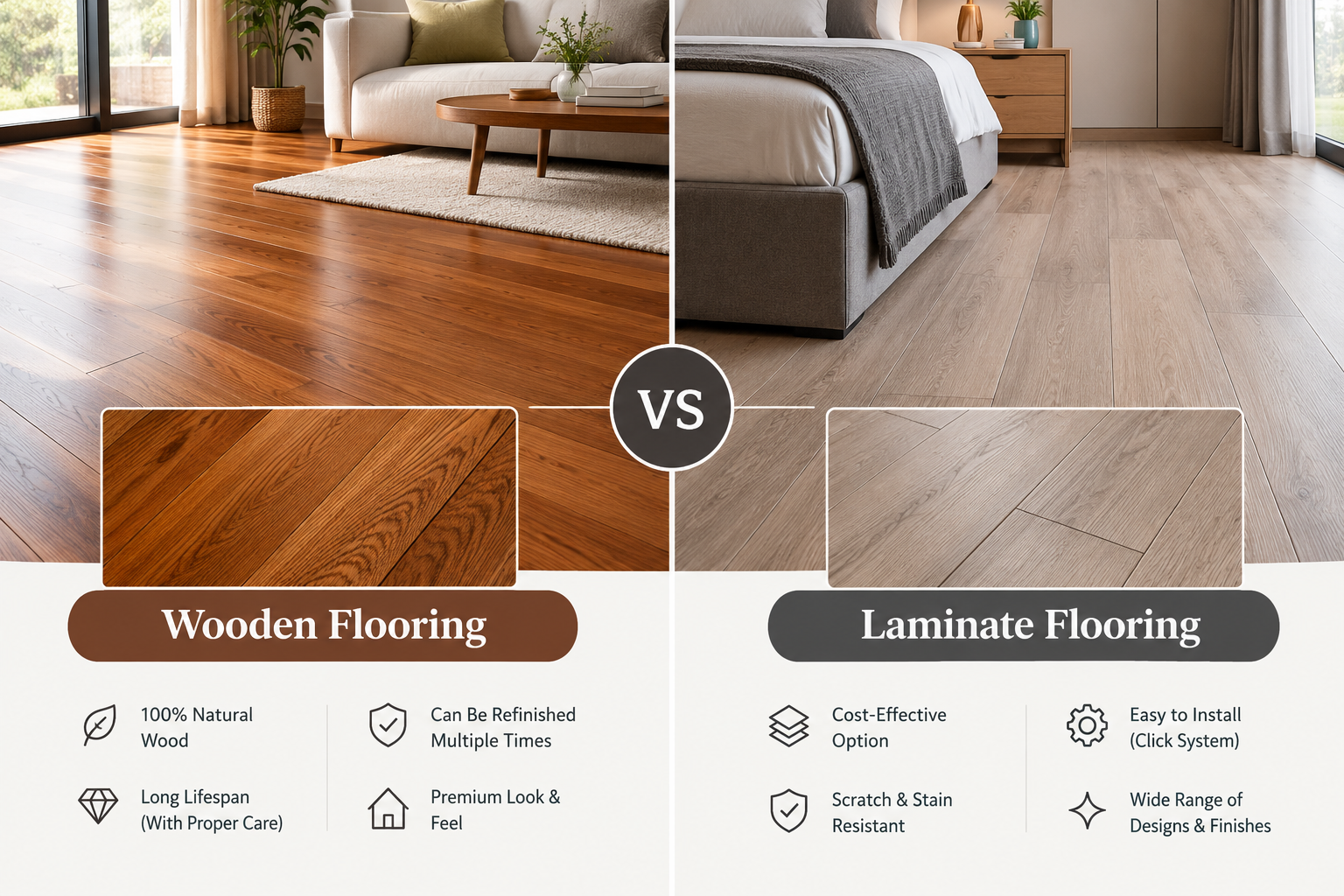
Engineered Wood Flooring is a layered plank with genuine wood on top. The decorative wear layer may be oak, walnut, ash or another species, while the cross-layered core improves stability. Factory-applied finishes protect the surface, and many systems use click-lock or tongue-and-groove joints. Because the visible layer is real timber, each plank has natural variation in grain, knots and tone rather than an exactly repeated printed pattern.
Its main advantage is authenticity. It looks, feels and ages more like solid wood while reacting less dramatically to normal dimensional movement. However, “engineered” does not mean waterproof or maintenance-free. Standing water, a damp screed, leaking air-conditioner drain, wet mopping or uncontrolled humidity can still stain, cup or damage the floor. Refinishing may be possible only when the top layer and manufacturer specification allow it.
What is Laminate Flooring?
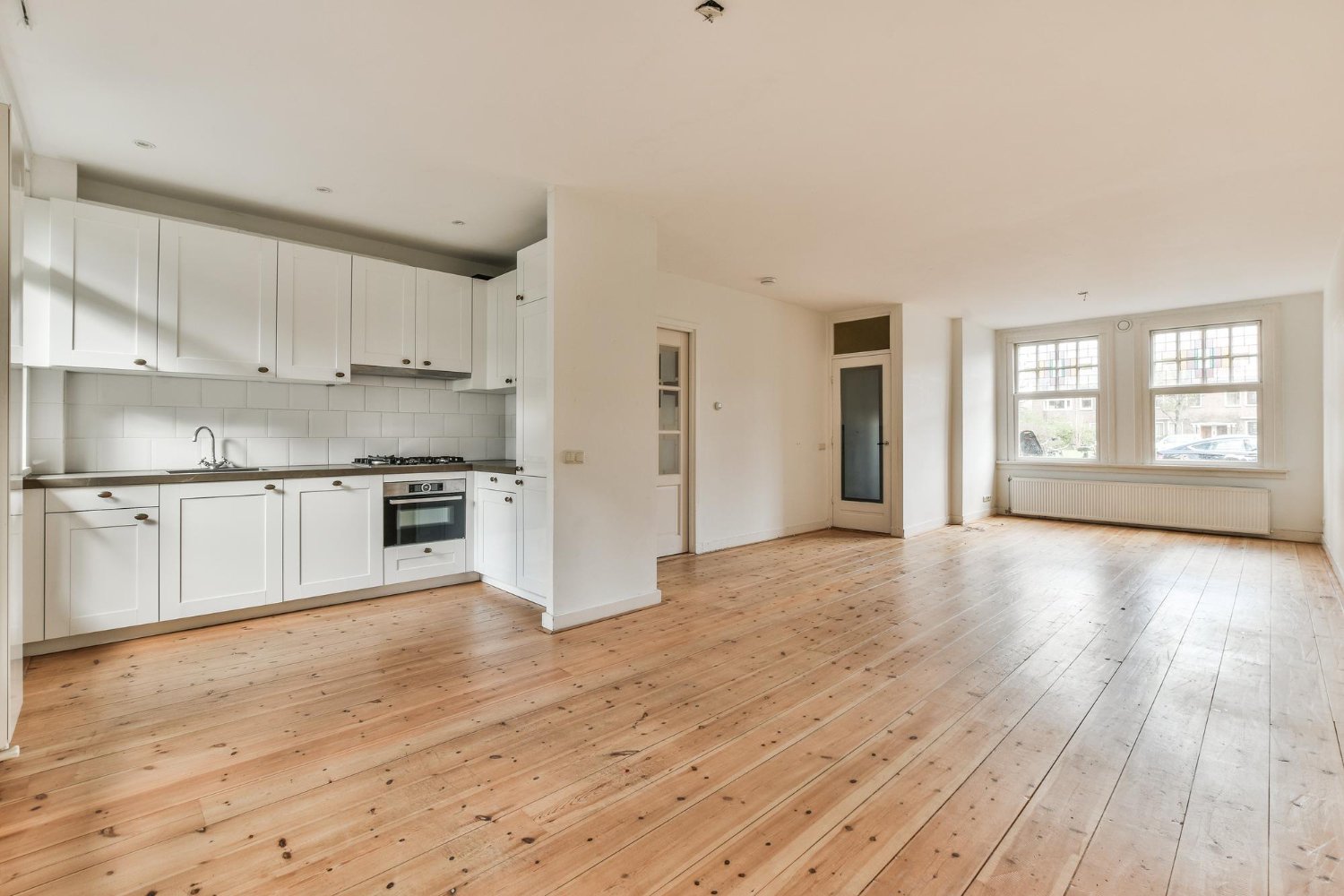
Laminate Flooring is a manufactured floating floor. A transparent wear layer protects a photographic design sheet, which sits over a dense fibreboard core and balancing layer. Modern embossing can align texture with the printed grain, producing convincing oak, teak, walnut, herringbone and wide-plank looks at a much lower price than real wood.
The wear surface is generally easy to clean and can resist stains and light scratches well when the grade suits the traffic. Yet damage behaves differently from wood. A deep chip cannot be sanded away, and a swollen fibreboard edge usually requires plank replacement. Abrasion Class, or AC rating, helps compare wear performance, but it is not a standalone waterproof rating. For an active home, inspect AC3 or AC4 products and separately verify moisture claims, joint protection, permitted rooms and warranty exclusions.
Engineered Wood vs Laminate Flooring: Detailed Comparison
| Decision factor | Engineered wood | Laminate |
| Surface | Real hardwood veneer with natural variation | Printed wood image beneath a protective wear layer |
| Appearance and feel | Authentic grain, warmth and ageing | Consistent design; quality ranges from basic to highly realistic |
| Budget | Premium material and installation | Lower entry cost and easier phased replacement |
| Scratch resistance | Can mark; finish quality matters | Often stronger against everyday abrasion in the right AC class |
| Dents and impact | Softer species may dent | Resists light impact but edges can chip |
| Moisture | More stable than solid wood, not waterproof | Core can swell if water enters joints |
| Repair | Individual planks may be replaced; minor finish repair may be possible | Damaged boards are normally replaced |
| Refinishing | Sometimes possible, depending on wear layer and system | Cannot be sanded or refinished |
| Installation | Floating, glued or otherwise product-specific; skilled work preferred | Usually fast floating click installation |
| Design life | Often longer when specified and maintained correctly | Shorter; replacement is the normal end-of-life route |
| Best use | Premium dry rooms and long-term homes | Budget-conscious dry rooms, rentals and active family homes |
Cost and Installation
In Lucknow, laminate usually wins the initial cost comparison. As a July 2026 planning guide, laminate material may range around ₹80-₹300 per sq ft, with a basic installed allowance of roughly ₹120-₹420 per sq ft. Engineered wood may range around ₹250-₹700 per sq ft for material and ₹330-₹900 per sq ft installed. Published Indian guides show lower starting prices, but branded collections, thicker real-wood layers, imported species, specialist trims and local delivery can move actual quotations above entry-level figures.
| Cost item | Laminate planning range | Engineered wood planning range |
| Material | ₹80-₹300/sq ft | ₹250-₹700/sq ft |
| Basic installed allowance* | ₹120-₹420/sq ft | ₹330-₹900/sq ft |
| 300 sq ft dry-room example* | ₹36,000-₹1.26 lakh | ₹99,000-₹2.70 lakh |
| Likely extras | Levelling, underlay upgrade, skirting, trims, doors | Moisture barrier, levelling, trims, skirting, specialist labour |
These are budgeting estimates, not fixed quotations. They may exclude old-floor removal, debris disposal, major screed repair, damp treatment, premium acoustic underlay, GST, transport, pattern wastage and furniture shifting. Calculate on measured floor area plus appropriate wastage, not the apartment’s carpet or super built-up area.
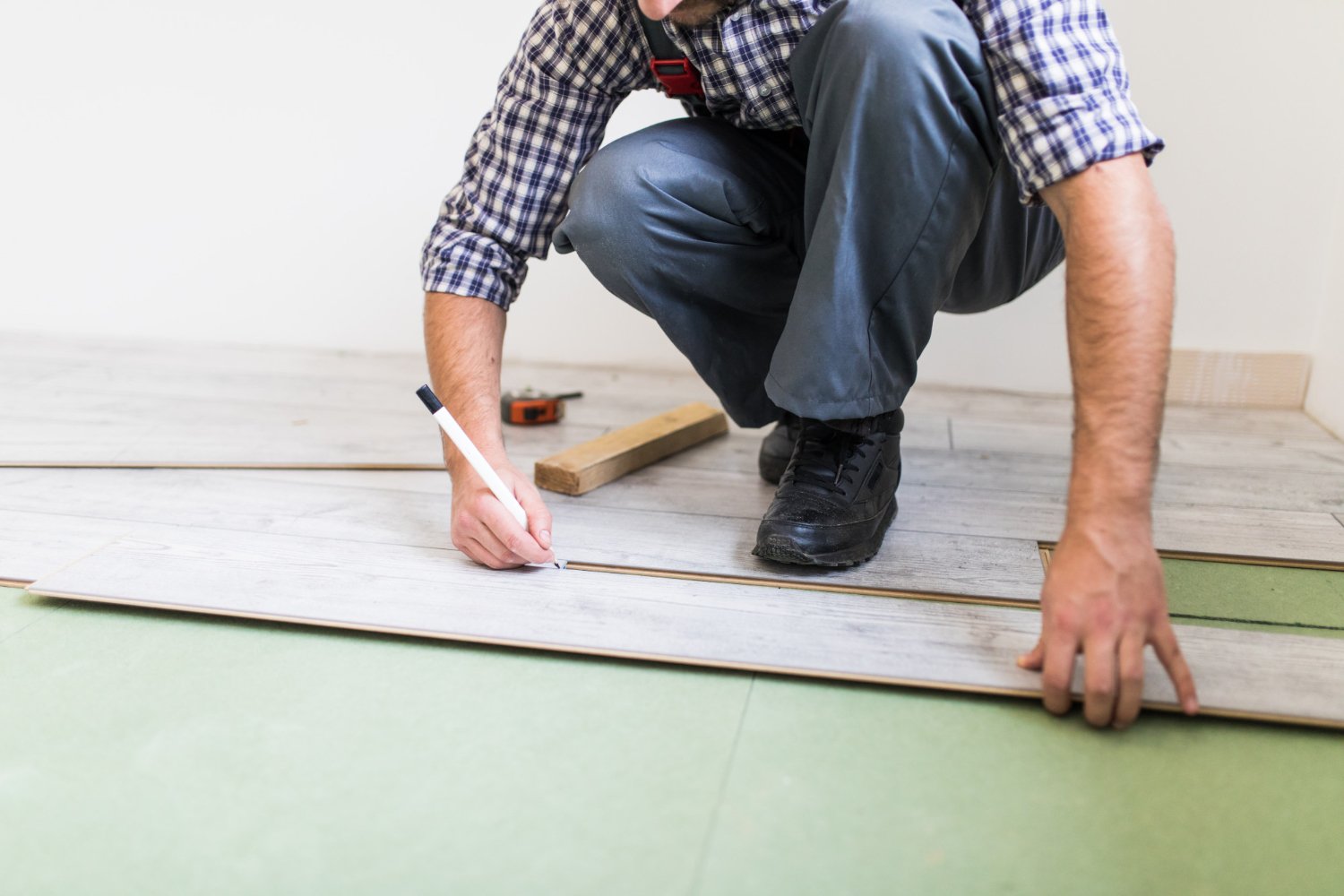
Both products can use floating click systems, allowing work over a flat, dry and compatible existing floor. That does not remove the need for preparation. High spots can strain joints; low spots create bounce and noise; trapped moisture can damage the core. The installer should check level, dryness, perimeter expansion space, door clearance, thresholds and fixed cabinetry before laying. Install permanent cabinets first and avoid pinning a floating floor beneath them unless the manufacturer specifically permits it.
Read also: Top 10 Best Furniture Brands in India
Durability and Climate Response
Lucknow combines intense summer heat, monsoon humidity and long dusty periods. Indoor conditions also differ between a shaded ground-floor house, a top-floor apartment and an air-conditioned villa. Engineered wood’s cross-layered construction generally controls expansion and contraction better than solid timber, but the real-wood surface can still fade, scratch and respond to moisture. Curtains, furniture pads and stable indoor conditions help it age evenly.
Laminate can be the tougher everyday surface against abrasive dust, pet claws and chair movement when its use class and AC rating match the room. Its vulnerable points are cut edges, joints and the fibreboard core. A product described as water-resistant may tolerate tested spills for a stated period; that is different from a waterproof bathroom system. Do not use either floor over unresolved rising damp or in regularly wet bathrooms, open balconies and utility areas. Kitchens require product-specific approval and excellent leak control.
For south- or west-facing rooms, inspect the manufacturer’s sunlight and temperature guidance. Leave specified expansion gaps at walls and transitions, acclimatise planks when required, and never let a contractor conceal dampness with a thicker underlay. A moisture barrier manages limited vapour movement; it does not repair a leaking pipe, failed waterproofing or wet screed.
Maintenance and Lifespan
Routine care is similar: vacuum or sweep away grit, use a barely damp microfibre mop, wipe spills immediately and place pads below furniture. Avoid flooding, steam mops, abrasive powders and harsh general cleaners unless the manufacturer approves them. Entrance mats reduce the fine dust that acts like sandpaper, while felt pads prevent dining chairs from creating repeated scratch paths.
A reasonable planning expectation is roughly 8-15 years for standard laminate and 15-25 years for better products in suitable residential use. Engineered wood can often serve 20-40 years or longer when the wear layer, installation and maintenance are strong. These are not warranties. Traffic, moisture events, pets, sunlight, cleaning and the ability to source replacement planks matter more than a generic lifespan claim.
Engineered wood has a potential renewal advantage: selected floors can be professionally screened, recoated or sanded depending on top-layer thickness and construction. Laminate cannot be refinished; once the printed surface or joints fail, affected boards must be replaced. Keep spare planks from the same batch because décor patterns, locking profiles and shades can be discontinued.
Read also: Top Flooring Options for Indian Homes
Where Each Flooring Works Best
| Room or homeowner need | Better starting option | Reason and caution |
| Master bedroom | Engineered wood | Natural warmth and premium feel; control moisture and sunlight |
| Children’s bedroom | AC3/AC4 laminate | Value and abrasion resistance; use furniture pads and dry cleaning |
| Living room | Either | Engineered for luxury; laminate for active families and tighter budgets |
| Home office | Laminate or engineered wood | Use a chair mat and select for rolling-chair traffic |
| Rental apartment | Laminate | Lower capital cost and straightforward plank replacement |
| Long-term villa | Engineered wood | Authenticity and design life can justify premium specification |
| Kitchen | Usually tile/SPC instead | Use wood-based floors only with written product approval and leak control |
| Bathroom/balcony | Neither | Choose purpose-made anti-skid wet-area flooring |
Which Should You Choose?
Choose Engineered Wood Flooring if real grain, tactile quality and long-term character are central to the design; the home is owner-occupied; the selected rooms stay dry; and you accept a higher installation and care budget. It is most convincing when used selectively rather than forced through every room.
Choose Laminate Flooring if you want a wood look at a controlled cost, need faster work over a suitable existing base, or expect children, pets, tenants and frequent furniture movement. Spend on verified specifications rather than the darkest or most dramatic print. AC3 is a sensible residential starting point; AC4 may suit busier homes, rentals or light commercial-style use, subject to the exact manufacturer’s classification.
If the room has recurrent leakage, damp walls, wet cleaning or direct outdoor exposure, neither option is the right starting point. Vitrified tile, porcelain tile or a properly specified resilient floor may be safer. The best answer to a wood vs laminate floor question can therefore be a third material when site conditions override appearance.
Seven Checks Before You Approve a Quotation
- Confirm whether the product is solid wood, engineered wood or laminate, and record the brand, collection, code, total thickness and construction.
- For engineered wood, ask for the species, real-wood wear-layer thickness, finish, core and permitted refinishing. For laminate, ask for use class, AC rating, core, joint and stated water resistance.
- Test and document the subfloor’s moisture and level; identify leaks, rising damp, cracks and loose existing tiles before pricing.
- Confirm installation method, acclimatisation, underlay or adhesive, vapour barrier, expansion gaps, transition profiles and skirting.
- Compare the same complete scope: material, measured quantity, wastage, labour, transport, taxes, removal, preparation, doors, trims and final cleaning.
- Read product and installation warranties together, including room exclusions, cleaning rules, humidity limits and who handles a future claim.
- Approve full-size samples in the room’s daylight and artificial light, then retain labelled spare planks from the same batch.
Read also: How to Choose the Right Paint Finish for Every Home
Common Mistakes to Avoid
Do not buy from a small hand sample alone, assume “12 mm” automatically means durable, or accept an AC rating as proof of waterproofing. Do not lay new planks over a visibly uneven or damp surface, omit expansion gaps, mix boxes without checking shade, or allow wet mopping after handover. A cheap product installed correctly may perform better than a premium product laid over a defective base.
Also avoid choosing the floor before cabinetry, doors and room transitions are planned. Added floor height can trap doors, expose balcony thresholds and create trip edges. Your interior designer, supplier and installer should approve one coordinated finish schedule and installation detail rather than solving these conflicts after the planks arrive.
Final Recommendation
For most budget-conscious Lucknow homes, quality laminate is the clearer choice for dry bedrooms, studies and rental upgrades. For a premium owner-occupied home, engineered wood delivers the more convincing material experience and may provide better long-term value. In both cases, product specification and subfloor preparation matter more than the colour name or showroom discount.
Lucknow Interio can compare flooring samples, prepare a room-wise finish schedule and coordinate the installation with doors, wardrobes, skirting, lighting and the wider home interior design in Lucknow plan.
Frequently Asked Questions
How much does laminate flooring cost in Lucknow?
As a broad July 2026 planning guide, laminate may cost about ₹80-₹300 per sq ft for material and ₹120-₹420 per sq ft with basic installation. Levelling, underlay, removal, skirting, trims, transport, taxes and door alterations may be additional. Request a measured site quotation.
How much does engineered wood flooring cost in Lucknow?
Engineered wood may broadly range from ₹250-₹700 per sq ft for material and ₹330-₹900 per sq ft as a basic installed planning allowance. Species, wear layer, brand, finish, installation method and subfloor work can change the total. Premium imported collections can exceed these ranges.
Can laminate flooring be used in a kitchen?
Only use laminate in a kitchen when the exact manufacturer approves it and the home has strong leak prevention. Water can enter joints and swell the core. Tile or a suitable resilient floor is often safer for kitchens with frequent spills, wet cleaning or plumbing risk.
Is engineered wood flooring waterproof?
No. Engineered wood is generally more dimensionally stable than solid timber, but it is not automatically waterproof. Standing water, damp screed, leakage and wet mopping can damage it. Follow the exact product's moisture limits, installation system and cleaning instructions.
Which laminate AC rating is best for a home?
AC3 is a practical starting point for normal residential use, while AC4 can suit busy families, rentals or heavier traffic. AC rating primarily helps compare wear performance; it does not replace checks for water resistance, joint quality, use class, thickness and warranty.
How long do engineered wood and laminate floors last?
Standard laminate may serve roughly 8-15 years and better residential products 15-25 years. Engineered wood can often last 20-40 years or longer. These are planning expectations, not guarantees; moisture, traffic, cleaning, installation, wear-layer quality and repair access control actual life.