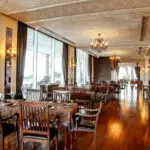
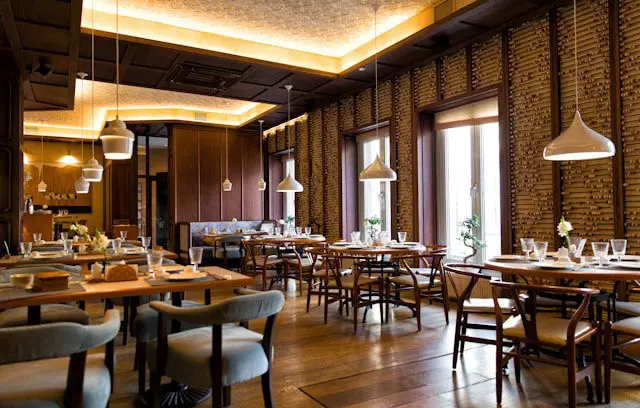
Restaurant interior design now does more than arrange tables and choose wall colours. The interior shapes how guests feel, how they move, how long they stay, and how easily the team can serve them. The ten trends below reflect where restaurant design is heading: towards planning for experience, flexibility, comfort, and change.
If you are planning a restaurant in Lucknow, these ideas are a starting point for discussion with a turnkey restaurant interior design and execution. The examples are illustrations of how each idea might be applied. They are not descriptions of completed projects. Your restaurant’s concept, menu, building, and budget will decide which ideas fit.
Summary of the ten trends
| Trend | What it addresses | Main planning question |
|---|---|---|
| Experience-first planning | How guests feel and move through the room | Who are the main guests, and how will they use the space? |
| Local character with modern execution | Identity and authenticity | Which local materials or crafts suit the concept? |
| A few deliberate photo spots | Social sharing without a forced feel | Where does good natural or layered light fall? |
| Lighting that changes through the day | Mood from lunch to dinner | How will the room look at different times? |
| Flexible seating and modular layouts | Seating for different group sizes | How often do group sizes change? |
| Natural materials with a refined finish | Warmth and durability | Which finishes handle daily use? |
| Open kitchens with a clear boundary | Transparency and hygiene confidence | How much of the kitchen should guests see? |
| Acoustic comfort built into the décor | Conversation and comfort | Where does noise build up? |
| Brand colours used with restraint | Recognition without a commercial feel | Where does the brand colour work best? |
| Space for future change | Adaptability and lower renovation costs | What may change in three to five years? |
1. Experience-First Design
Restaurant design increasingly starts with how guests behave, rather than how the room looks. Who arrives in pairs, who comes in larger groups, and who wants to be near the window or away from the door? Answering these questions shapes the seating plan and the lighting.
What this means:
Designing the space based on how customers feel, move, and interact, not just how it looks.
Example:
A casual dining restaurant in Lucknow designs:
- Comfortable seating near windows for families
- Bar-height seating near the counter for solo diners
- Softer lighting in dinner zones, brighter near entry
The result? Customers stay longer and feel the space was “made for them.”
A smart Restaurant Interior Designer always starts with customer behavior mapping.
2. Local Culture, Modern Execution
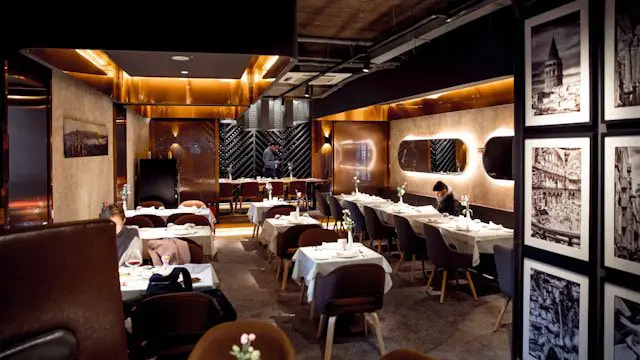
Many restaurants now express their local identity through modern design, rather than copying a style from elsewhere. In Lucknow, this might mean drawing on craft traditions such as chikankari, with panels or textiles designed in a contemporary way.
Example:
A North Indian restaurant uses:
- Chikankari-inspired wall panels
- Soft pastel colors instead of heavy traditional reds
- Brass lighting fixtures with contemporary shapes
This approach feels authentic yet premium, especially appealing for Restaurant Interior Design Lucknow projects.
3. Instagram-Friendly Corners (Not Overdone)
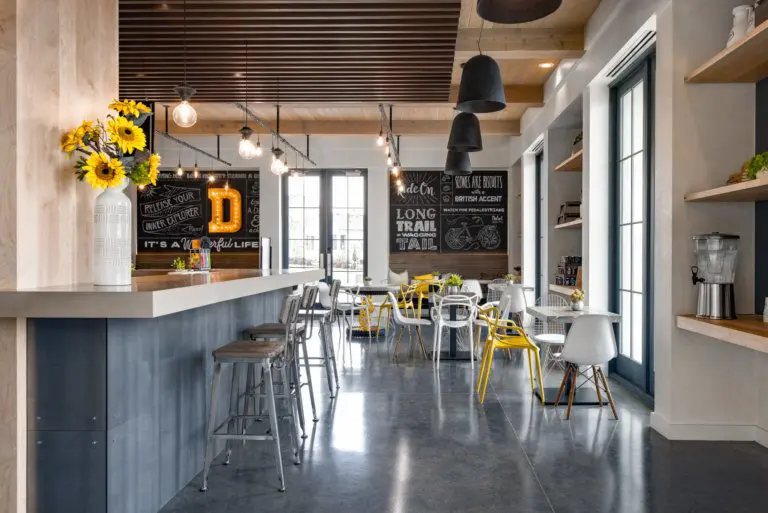
Many guests share photographs of spaces they enjoy. Designing two or three clear photo moments, such as a feature wall, a neon or lit sign, or a well-lit dessert counter, gives guests something to photograph without making the whole restaurant feel staged.
The trend:
Create 2–3 intentional “photo moments” instead of designing everything for Instagram.
Example:
- One artistic wall with hand-painted typography
- A neon quote near the bar
- A beautifully lit dessert counter
Customers naturally share photos without the space feeling forced.
Read also: Transforming Spaces: Kitchen & Restaurant Interior Design by Lucknow Interio
4. Lighting That Changes Mood Throughout the Day
A restaurant that serves lunch and dinner needs light that adapts. Daytime can rely on natural light and even ceiling light. Evenings suit warmer pendants and a dimmed ambient level. Accent light on walls, shelves, or tables can add depth at night.
Modern approach:
Layered lighting that adapts from lunch to dinner.
Example:
- Daytime: Natural light + white ceiling lights
- Evening: Warm pendant lights + dimmed ambient glow
- Night: Accent lights highlighting walls and tables
This creates three different moods in one space, improving customer experience without redesign.
5. Flexible seating and modular layouts
Fixed seating suits some restaurants, but many now use furniture that can change. Two-seater tables that combine into four, movable screens, and stackable chairs let the team adjust the room for couples on weekday lunches and larger groups at weekends.
Example:
A café uses:
- Two-seater tables that can combine into four
- Movable partitions for events
- Stackable chairs for quick layout changes
This helps restaurants:
- Serve couples on weekdays
- Host groups on weekends
- Increase seating efficiency by up to 20%
Read also: Interior Design for Cafes and Restaurants in Lucknow
6. Natural Materials That Feel Premium
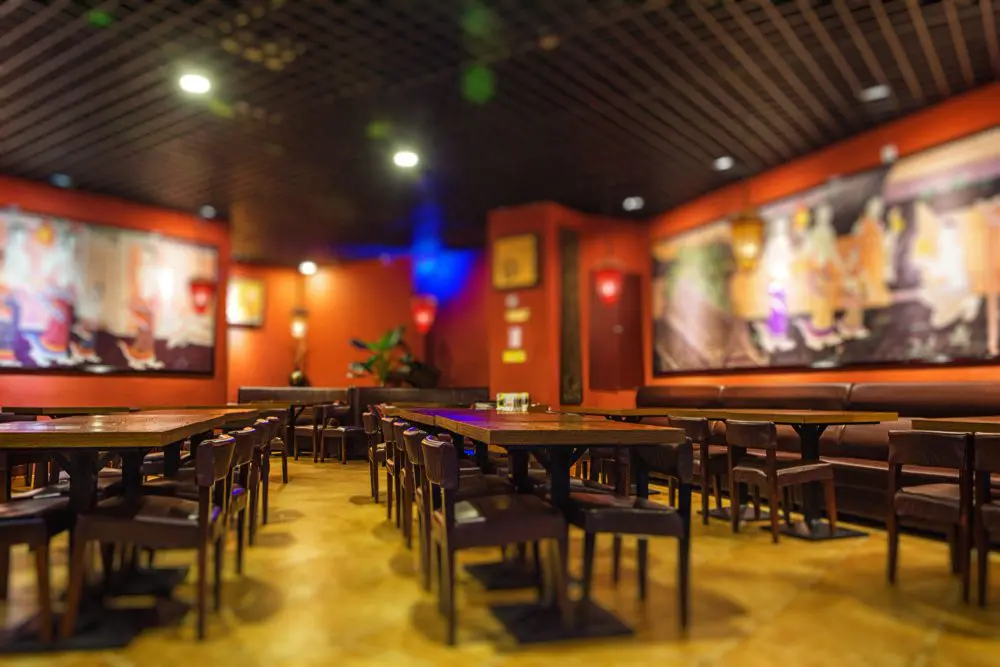
Natural materials no longer have to mean rustic. Pairings such as timber with matte black metal, stone tabletops with fabric seating, or cane and rattan with polished finishes create a more refined look. These materials also add warmth and texture, which helps a room feel calm.
Popular material combinations:
- Wood + matte black metal
- Stone tabletops + fabric seating
- Cane or rattan with polished finishes
Example:
A fine-dine restaurant in Lucknow uses wooden ceiling slats with hidden lighting creating warmth without clutter.
This trend works brilliantly for upscale Interior Designer in Lucknow projects.
7. Open kitchens with a clear boundary
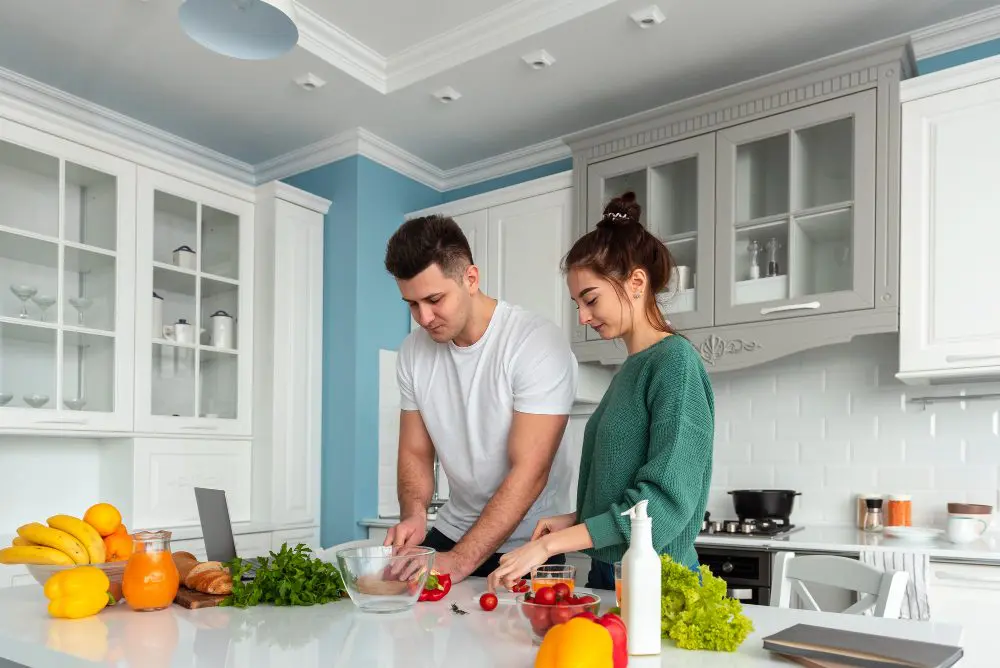
Some restaurants let guests see the kitchen or the pizza, tandoor, or dessert counter being prepared. This can build trust in the food, but a kitchen that is fully exposed can be noisy, hot, and untidy.
Example:
- Glass partition separates kitchen noise
- Visible tandoor or live pizza counter
- Clean sightlines without revealing storage clutter
Customers enjoy watching food being prepared while hygiene trust increases.
8. Acoustic Comfort Is a Design Priority
Noise is one of the most common complaints in busy restaurants. Acoustic treatment does not have to look like a technical fix. Fabric wall panels can carry artwork, wooden ceiling baffles can add texture, and upholstered seating absorbs sound.
Modern solution:
Acoustic panels disguised as décor.
Example:
- Fabric wall panels with artwork
- Wooden ceiling baffles
- Upholstered seating to absorb sound
This trend is especially important for cafés, fine dining, and family restaurants.
Read also: How to Choose the Best Office Interior Designer in Lucknow
9. Brand Colors Integrated Subtly
Brand colours can appear in the interior without making it feel commercial. Coloured stitching on chairs, a soft undertone in a wall texture, or matching plant accents can carry the brand through the room.
Example:
If your brand color is green:
- Green stitching on chairs
- Soft green undertones in wall textures
- Matching plant accents
This makes branding feel classy, not commercial a key skill of a professional Restaurant Interior Designer.
10. Design That Supports Business Growth
Restaurants change. Menus evolve, counters are added, and brands are refreshed. Planning for this from the start reduces the cost of changes later.
Example:
- Electrical points planned for new counters
- Walls that can be repainted easily for rebranding
- Furniture that can move during layout changes
This reduces renovation costs later and keeps your restaurant adaptable.
How to choose the trends that fit your restaurant
Not every trend suits every restaurant. Start with the concept, the main guests, the menu, and the building, then choose the ideas that support those decisions. A fine-dining restaurant may prioritise lighting, acoustics, and natural materials. A busy café may focus on flexible seating, durable finishes, and a clear service route.
Keep the design consistent. Too many trends in one room can feel busy, while a few well-chosen ideas usually feel more intentional.
How a Professional Restaurant Interior Designer Helps
A skilled Restaurant Interior Designer doesn’t just decorate, they:
- Understand customer psychology
- Optimize seating & movement
- Align interiors with brand positioning
- Control budgets without killing creativity
For restaurants in competitive areas, expert guidance can be the difference between average and always full.
Conclusion
The best restaurant interiors plan for the guests, the team, and the future. Experience-first layouts, layered lighting, flexible seating, comfortable acoustics, and room for change work together to make a restaurant easier to run and more pleasant to visit.
If you are planning a restaurant in Lucknow, contact our team for a free consultation. Bring your concept, your menu, your expected covers, and your budget, and we can talk through which trends suit your restaurant.
Is interior design important for small restaurants?
Yes. Even small spaces benefit greatly from good layout, lighting, and seating design.
How long does restaurant interior design take?
On average, 30–60 days depending on scope and approvals.
Why choose Lucknow Interio for restaurant interior design in Lucknow?
Lucknow Interio understands the local dining culture, customer preferences, and commercial requirements of restaurants in Lucknow. Our team designs spaces that balance aesthetics, comfort, and business efficiency ensuring your restaurant looks attractive and performs profitably.
Does Lucknow Interio design all types of restaurants?
Yes. Lucknow Interio offers customized restaurant interior design solutions for cafés, fine-dine restaurants, cloud kitchens, fast-food outlets, bakeries, food courts, and theme-based restaurants across Lucknow and nearby areas.
Can Lucknow Interio redesign an existing restaurant space?
Yes. We offer restaurant renovation and redesign services in Lucknow, including layout improvement, lighting upgrades, seating optimization, and brand refresh often without requiring long business closures.
How can I get a consultation from Lucknow Interio?
You can contact Lucknow Interio through our website or phone to book a free consultation. Our restaurant interior designers in Lucknow will understand your vision, budget, and business goals before suggesting the best design solution.