Luxury in an Indian home is no longer defined by glossy marble, heavy ceilings or gold finishes in every room. The strongest homes feel considered: circulation is easy, materials age well and memorable details express the family’s identity. For homeowners exploring interior design in Lucknow, the decision is which ideas will remain comfortable and meaningful.
The 5 trends cover warmer minimalism, Indian craft, nature-conscious materials, integrated technology and bespoke functionality. Each can work when its scale responds to the property.
The most reliable luxury formula is a calm architectural base, one clear design story and selective investment in lighting, joinery and tactile materials. Combine only two or three trend ideas; using all five at full intensity creates visual noise and cost.
What Makes an Interior Feel Luxurious?
A finish can be costly without feeling luxurious if proportions and detailing are weak. Genuine luxury appears in comfortable clearances, aligned joints, smooth hardware and layered lighting and in the removal of exposed wiring and competing feature walls.
Before comparing interior design styles, decide how the home should feel: calm, expressive, rooted in craft or highly automated. That answer becomes a filter for layout, materials, lighting and technology.
The Five Trends at a Glance
| Trend | Best suited to | Budget pressure | Main caution |
| 1. Tactile quiet luxury | Apartments, villas and calm family homes | Medium to high | Flat beige schemes without contrast |
| 2. Modern Indian craft | Homes needing identity and a local story | Flexible | Too many motifs or literal heritage themes |
| 3. Biophilic, low-impact luxury | Villas, balconies and daylight-rich apartments | Medium | High-maintenance planting or unsuitable materials |
| 4. Invisible smart living | New homes and planned renovations | Medium to high | Locked ecosystems and poor first-fix planning |
| 5. Bespoke multifunctional spaces | Compact apartments and lifestyle-led villas | Flexible to high | Overbuilding storage and custom furniture |
1. Tactile Quiet Luxury
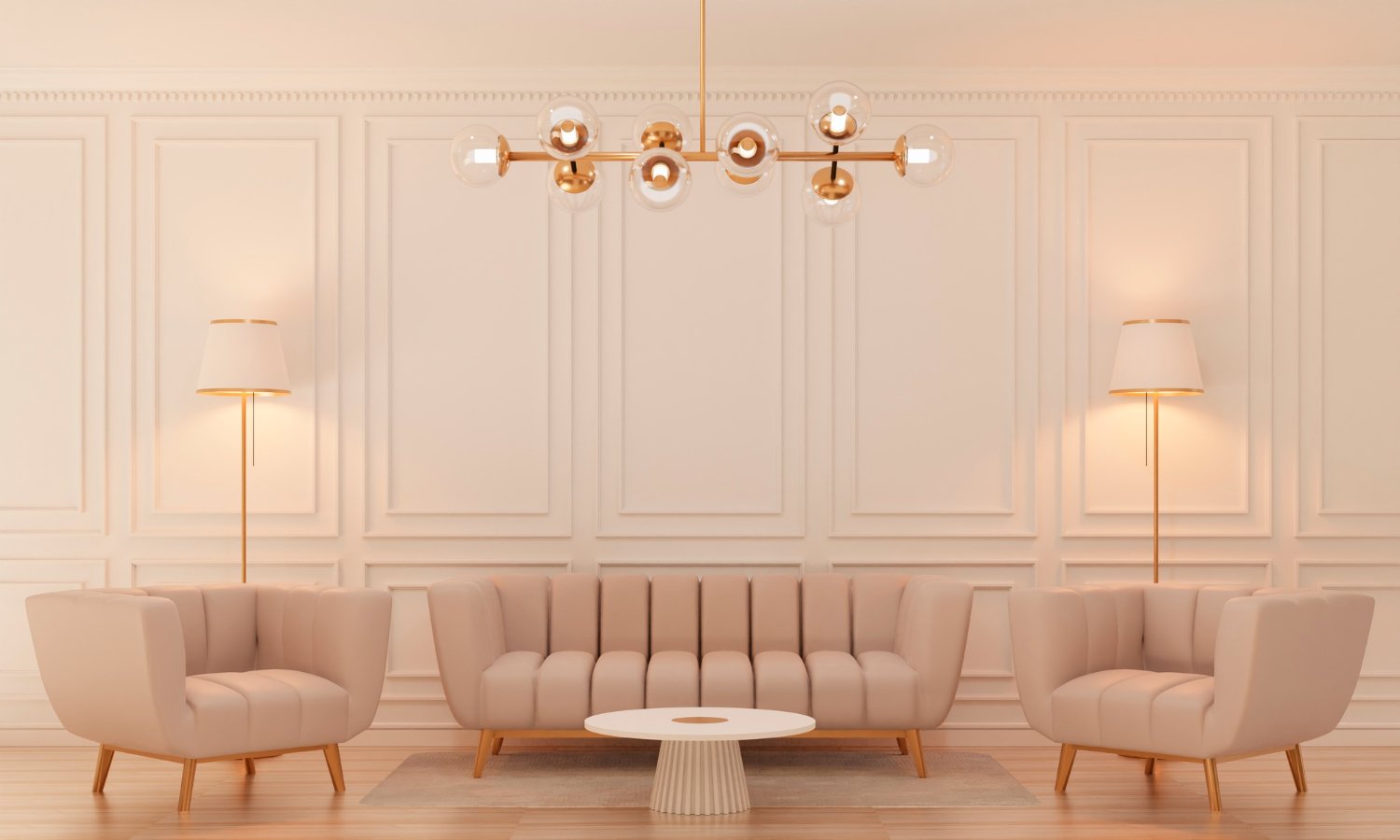
Quiet luxury replaces obvious display with material depth and precise detailing. Instead of filling a room with decorative objects, it uses warm whites, sand, greige, taupe, muted olive or deep blue as a controlled palette. Interest comes from grain, weave and finish: timber, honed stone, linen-look upholstery, textured plaster and brushed metal. Curved furniture or a sculptural light can soften the architecture.
This is one of the easiest key luxury interior trends to adapt for an apartment because a restrained palette can make connected spaces feel larger. In a villa, use the same idea at a grander scale.
How to Use It Without Creating a Bland Home
- Build the palette around three values: a light base, a mid-tone natural material and one dark anchor.
- Use no more than two dominant timber or stone expressions in one open zone.
- Layer ambient, task and accent lighting so texture remains visible after sunset.
- Add personality through art, books, heirloom objects or one saturated colour rather than random decorative pieces.
Spend on sofa comfort, wardrobe hardware, kitchen worktops and lighting controls. Save on trend-specific accessories. Quiet luxury succeeds when the room feels composed and comfortable, not empty.
2. Modern Indian Craft and Regional Storytelling
Indian luxury is becoming more assured and less literal. Craft is integrated into modern forms instead of used as a theme. A contemporary home might include brass in a simple console, cane within a clean wardrobe shutter, handloom fabric on a streamlined chair or carved timber at the entrance. Current design coverage points towards quieter craftsmanship, where quality is communicated through joinery and finish.
For interior design in Lucknow, the city offers chikankari-inspired patterns, jaali geometry, scalloped forms, brass and refined Awadhi references. Use them abstractly: a partition may borrow a jaali rhythm, while textile art becomes one focal piece.
A Simple Restraint Rule
Choose one craft expression and one supporting material for each major zone. A living room might pair a chikankari-inspired art panel with brass lighting while the rest remains contemporary. Confirm how the feature will be cleaned and repaired before approving it.
Read also: Home Interior Design Trends in Lucknow
3. Biophilic and Low-Impact Luxury
Biophilic design is broader than adding plants. It improves the relationship between the home, daylight, views, ventilation, natural materials and daily rituals. In a Lucknow villa, that may mean a landscaped courtyard or shaded transition space. In an apartment, it may mean uncluttered windows, a usable balcony and a few correctly selected plants.
The GRIHA for Interior Spaces framework evaluates low-impact materials, efficiency and occupant comfort. Homeowners can apply that principle by requesting technical information for low-VOC paints, adhesives and sealants, and by preferring durable materials over disposable surface effects.
Where This Trend Needs Care
- Do not install an indoor vertical garden without a waterproofing, drainage, access and pest-management plan.
- Protect natural wood, cane and fabrics from moisture, harsh sun and unsuitable cleaning methods.
- Use daylight without creating glare or excessive heat; shading and window treatments are part of the design.
- Choose fewer healthy plants in appropriate locations instead of filling dark corners with species that cannot thrive there.
This trend adds value when it improves comfort and durability. It becomes wasteful when “natural” is only a marketing label.
4. Invisible Smart-Home Integration and Adaptive Lighting
The best smart home does not look like a collection of gadgets. Controls, sensors, speakers, charging points, security and network equipment are coordinated with cabinetry and the electrical plan. Homeowners can create lighting scenes, automate selected curtains or climate functions, and keep essential controls available through physical switches.
Plan technology before civil and electrical work. Confirm conduit routes, neutral wires where required, Wi-Fi coverage, equipment ventilation, backup power and access for service. Matter is designed to improve interoperability across compatible smart-home brands, but homeowners must still confirm device support and local installation service.
What to Prioritise First
- Layered dimmable lighting and well-positioned switches.
- Reliable networking and concealed charging at bedsides, work areas and living spaces.
- Security, access and video-door systems appropriate to the property.
- Open or interoperable devices where possible, plus a written handover of accounts, labels and settings.
A few useful scenes feel more luxurious than a complex system the family stops using.
Read also: Interior Design Cost in Lucknow
5. Multifunctional Rooms and Statement Zones
Luxury is increasingly personal. Rather than designing rooms only by label, homeowners are asking what each space must do across a full day. A guest room may include a concealed study; a living wall may combine media and books; a master suite may integrate a dressing area or reading corner. Joinery can resolve these routines when the design starts with dimensions and behaviour.
Apartments benefit from sliding panels, hidden workstations and storage seating. Villas can gain a library, bar, home theatre or wellness room, but each specialist space should earn its floor area through real use.
Keep Work Selective
Use custom furniture where it solves an awkward dimension or recurring routine. Choose modular or ready-made pieces where flexibility matters more.
Which Trend Works Best for Each Room?
| Room or zone | Recommended lead trend | Premium move with lasting value |
| Living and dining | Tactile quiet luxury | Layered lighting, one craft focal point and correctly scaled furniture |
| Kitchen | Invisible smart living | Durable worktops, reliable hardware and task lighting before decorative upgrades |
| Master bedroom | Quiet luxury + biophilic comfort | Blackout control, soft lighting, natural textures and uncluttered storage |
| Children’s or guest room | Multifunctional planning | Adaptable storage and furniture that can change with age or use |
| Entrance or foyer | Modern Indian craft | One memorable material, artwork or crafted screen with practical shoe storage |
| Balcony or courtyard | Biophilic luxury | Shade, drainage, weather-suitable materials and manageable planting |
| Villa feature zone | Statement space | A library, bar, stair wall or formal lounge designed around actual use |
Three Coherent Interior Design Styles to Consider
Calm Contemporary
Warm neutrals, wood, stone-look surfaces and soft lighting, with one deep colour through upholstery or art. It is elegant and easy to update.
Modern Awadhi
A contemporary base enriched with arches, jaali geometry, brass or textile art. Concentrate heritage references in the foyer, formal living room or pooja space.
Nature-Led Smart Luxury
Daylight, timber tones, greenery and tactile fabrics supported by discreet lighting, climate and security controls. It suits projects coordinated early.
Read also: Luxury Interior Design Under ₹10 Lakh
Where to Spend and Where to Save
| Spend more where performance matters | Save where change is easy |
| Space planning, electrical layout and working drawings | Seasonal cushions, throws and small accessories |
| Kitchen and wardrobe hardware used every day | Decorative wall treatments in low-priority rooms |
| Comfortable seating, mattresses and task lighting | Multiple statement lights competing in one open zone |
| Durable worktops, wet-area protection and quality installation | Imported finishes when a suitable local alternative is available |
| One crafted or bespoke focal element | Custom-built furniture that does not solve a specific need |
A Six-Step Decision Framework Before Finalising the Design
- Define the feeling: Select three words for the finished home such as calm, warm and rooted and reject choices that do not support them.
- Rank daily priorities: List storage, entertaining, work, children, ageing needs, maintenance and technology requirements before discussing finishes.
- Choose one lead style: Use one main style across connected spaces and allow only controlled variations in private rooms.
- Separate permanent and replaceable choices: Be conservative with flooring, fixed joinery and electrical work; express trends more freely through paint, lighting, fabric and art.
- Approve physical samples: Review stone, veneer, laminates, metal finishes, paint and upholstery together under daytime and evening light.
- Compare complete quotations: Check drawings, quantities, specifications, exclusions, brands or ranges, payment stages, timeline, warranty and change-order rules.
Choose a Trend That Still Feels Like Your Home
The best luxury interior design trends are not instructions to copy; they are tools for clarifying what you value. Quiet luxury provides calm, Indian craft adds identity, biophilic design supports comfort, smart integration simplifies routines and bespoke planning makes the home personal. Select only what the family can use well.
Lucknow Interio can assess your apartment, villa or renovation site and prepare a room-wise proposal based on your lifestyle, materials and budget.
Call 8800127922 or email contact@lucknowinterio.com to request a consultation and customised quotation for interior design in Lucknow.
Frequently Asked Questions
Which luxury interior design trends work best for apartments in Lucknow?
For apartments in Lucknow, quiet luxury, intelligent space planning and multifunctional furniture work particularly well. These approaches create a sense of openness while improving storage and everyday functionality. Subtle Indian craftsmanship, statement lighting or carefully selected textures can add character without making compact spaces feel visually heavy.
How can I make my home look luxurious without overspending?
A luxurious interior does not necessarily require expensive materials throughout the home. Prioritize thoughtful space planning, layered lighting, quality hardware, comfortable furniture and precise installation. A refined colour palette, consistent finishes and one or two well designed focal elements can create a premium appearance while keeping unnecessary decorative expenses under control.
Are traditional Indian elements suitable for a modern luxury home?
Yes. Traditional Indian design elements can complement contemporary luxury interiors when they are introduced selectively. Features such as contemporary jaali partitions, handcrafted brass details, traditional textiles, carved entrance panels or Indian artwork can add warmth and cultural character. The key is to balance these elements with simpler backgrounds, modern proportions and restrained detailing.
Is smart home technology necessary for a luxury interior?
Smart home technology is not essential for creating a luxury interior, but it can significantly improve comfort, convenience and functionality when planned correctly. Useful applications include automated lighting scenes, climate control, motorized curtains, security systems and centralized controls.
Technology should be reliable, intuitive and supported locally rather than being added simply for appearance.
What materials create a luxury look in Indian homes?
Luxury interiors can be achieved through carefully selected materials such as natural timber, premium veneer, stone, quartz, metal accents, textured wall finishes, high quality fabrics and handcrafted surfaces.
The overall result depends not only on material cost but also on proportion, detailing, craftsmanship, installation quality and maintenance requirements. A well executed combination of materials often creates greater impact than using expensive materials everywhere.
How do I choose between different interior design ideas?
Begin by defining your lifestyle requirements, preferred aesthetic, budget and long term maintenance expectations. Evaluate each design concept based on functionality, durability, cost, storage, natural light and suitability for the available space.
Keep permanent features relatively timeless and use artwork, furnishings, fabrics and accessories to introduce trends that can be changed more easily.
How can a professional interior designer help with my project in Lucknow?
A professional interior designer can assess your property, understand your lifestyle and translate your requirements into a practical design concept. The process may include space planning, furniture layouts, lighting and electrical planning, material selection, detailed drawings, 3D visualisation, budgeting, vendor coordination and site execution.
Before approving a project, request a clearly defined scope of work, itemised BOQ, material specifications, project timeline and customised quotation.